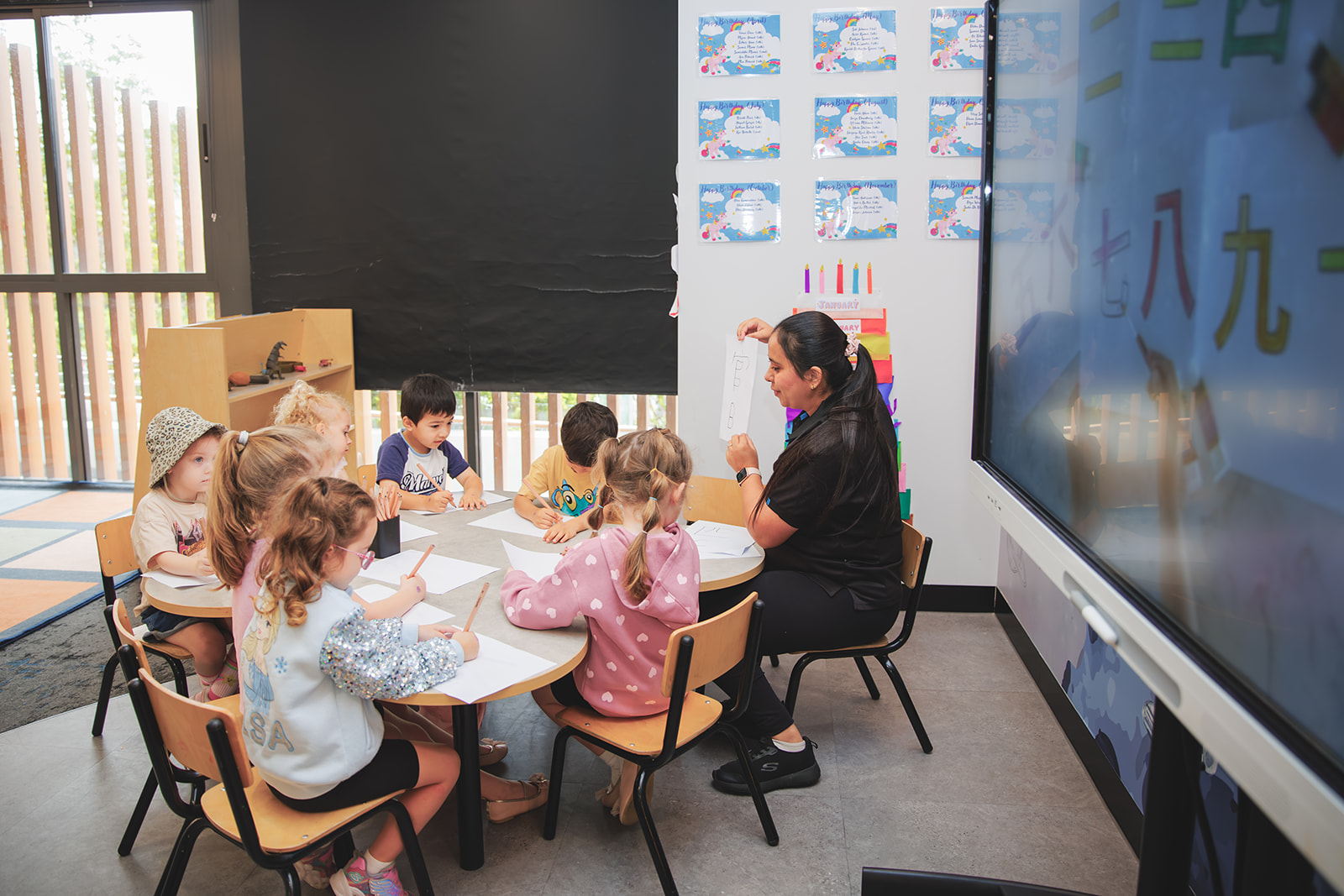
We adults can find routine exhausting, and ache for a bit of chaos to spice things up, but our children are the polar opposite. In those critical early years, they flourish on predictability and it has a direct effect on their learning, emotional security, and development. Consistent daily routines help children understand their world, feel safe, and build the confidence they need to explore and grow.
At Mini Masterminds, your local early learning centre, thoughtfully designed daily routines are an essential part of each child’s experience at our centres. Through structured yet flexible schedules, children are supported to develop independence, strong relationships, and a lifelong love of learning.
How can you Create a Sense of Security for a Child?
Young children are still learning how the world works. When their day follows a familiar pattern, including arrival, play, meals, rest, and group activities. They begin to understand what comes next. This predictability helps reduce anxiety and allow children to feel safe and settled.
When children feel secure, they are more likely to engage confidently in activities, form positive relationships with educators and peers, and explore their environment with curiosity.
At Mini Masterminds, educators carefully guide children through each part of the day, creating smooth transitions that help children feel calm and supported.
How Should you Support Emotional Development in Children?
Routines help children regulate their emotions. Knowing what to expect allows children to prepare mentally for transitions such as moving from playtime to mealtime or preparing for rest.
This structure also helps children develop patience and self-regulation skills. Over time, they learn to manage their emotions, follow expectations, and feel proud of their growing independence.
Mini Masterminds educators support children through these transitions with clear communication, visual cues, and encouragement, helping children build emotional confidence.
Encouraging Independence
Daily routines provide many opportunities for children to practice independence. Simple activities such as packing away toys, washing hands before meals, or putting on hats for outdoor play help children develop responsibility and confidence.
When these activities happen consistently each day, children quickly learn what is expected and begin to complete tasks on their own.
At Mini Masterminds, educators encourage children to actively participate in their daily routines, empowering them to develop important life skills.
Supporting Learning and Development
Routines also create an environment where learning happens naturally. When children know what to expect, they can focus more deeply on the experiences in front of them.
Structured parts of the day, such as group learning experiences, creative activities, outdoor play, and story time, support children’s development across multiple areas, including:
At Mini Masterminds, daily routines are thoughtfully designed to balance structured learning with free play, ensuring children have opportunities to explore their interests while building essential skills.
How can you Help Children Develop Healthy Habits?
Daily routines also help children develop healthy habits that will support them throughout life. Regular times for meals, rest, and physical activity promote wellbeing and teach children the importance of self-care.
Consistent routines help children understand the rhythm of the day and support healthy sleep patterns, balanced nutrition, and active play.
Mini Masterminds centres create environments where these habits become a natural part of each child’s day.
Building Strong Partnerships with Families
Consistent routines at early learning centres also help families feel confident about their child’s day. When parents understand the structure of the day, they can reinforce similar routines at home, creating consistency for the child.
At Mini Masterminds, educators work closely with families to ensure routines support each child’s individual needs, preferences, and developmental stage.
This partnership helps create a supportive and nurturing experience both at the centre and at home.
Why are routines important for young children?
Routines provide structure and predictability, which helps children feel secure, develop independence, and regulate their emotions. They also support learning by creating a stable environment where children can focus and explore.
Do routines limit creativity?
Not at all. While routines provide structure to the day, they also include flexible periods for play, exploration, and creativity. This balance allows children to feel secure while still discovering new ideas and interests.
How do routines help with behaviour?
When children know what to expect, they are less likely to feel overwhelmed or frustrated. Clear routines help children understand expectations and transitions, which can reduce challenging behaviours.
What does a typical day at Mini Masterminds look like?
While routines may vary depending on age groups and centres, a typical day often includes arrival and free play, group learning experiences, meals and snacks, outdoor play, rest or quiet time, creative activities, and story time.
Can routines be flexible?
Yes. While routines provide structure, they are always adapted to meet the needs of the children. Educators adjust the day based on children’s interests, energy levels, and individual needs.
Routine
A predictable sequence of activities that happen regularly throughout the day.
Transition
The movement from one activity or part of the day to another, such as from playtime to lunchtime.
Self-Regulation
A child’s ability to manage their emotions, behaviour, and responses to different situations.
Independence
A child’s growing ability to complete tasks, make choices, and care for themselves with increasing confidence.
Early Learning Environment
A structured setting where young children participate in play-based learning experiences designed to support their development.

Melissa is a highly experienced and passionate Area Manager at Mini Masterminds, bringing over 11 years of expertise in early childhood education. She is an Early Childhood Teacher (ECT) with both a Bachelor’s and Master’s degree, which she completed in New York City.
View Full Bio

 1300 336 464
 Book A Tour
 Enrol Now
 Contact Us
 Call Us