In Summary
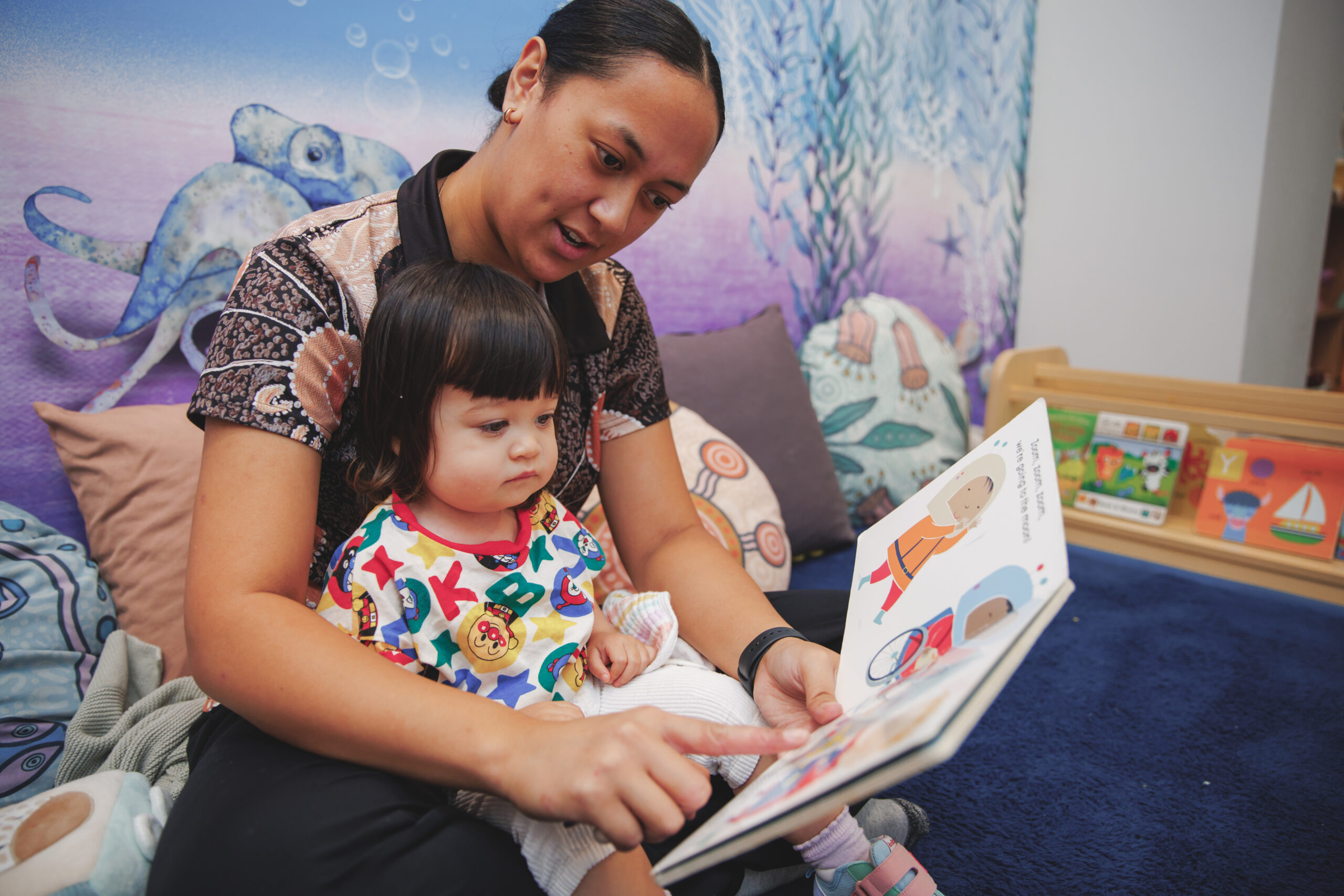
Every child deserves to feel seen, valued, and supported during their early learning journey. Inclusive education helps children build confidence, develop empathy, and feel a strong sense of belonging from an early age.
At Mini Masterminds North Parramatta, inclusion is embedded into the centre’s curriculum, learning environments, and daily interactions to ensure every child has the opportunity to grow and succeed.
Inclusive learning means creating an environment where all children can participate fully, regardless of their background, abilities, language, culture, or learning style. It recognises that every child learns differently and that early education should adapt to support individual strengths and needs.
At Mini Masterminds, inclusive learning is reflected through meaningful relationships, flexible teaching practices, and a commitment to supporting every child’s development.
Creating a sense of belonging is one of the most important parts of inclusive education. From the moment families enter the centre, educators work to build strong partnerships and positive relationships that help children feel comfortable and secure.
The learning environments are designed to encourage participation, exploration, and independence for all age groups. Children are supported through:
These experiences help children feel confident expressing themselves and engaging with others.
No two children learn in the same way. Some children learn best through movement and hands-on activities, while others respond better to visual prompts, music, storytelling, or group discussions.
Our educators use a variety of teaching approaches to support different learning styles and developmental stages. Learning experiences are adapted to ensure children can participate at their own pace and feel encouraged throughout the process.
Educators observe children closely and tailor activities to support:
This personalised approach allows children to build confidence while developing important life skills.
Inclusive learning also means recognising and celebrating the diversity within the community. At our centre, children are introduced to different cultures, traditions, languages, and perspectives through everyday learning experiences.
The centre encourages children to:
By exposing children to diverse experiences early in life, educators help foster kindness, respect, and open-mindedness.
Families play an important role in a child’s learning and development. We value open communication and works closely with families to understand each child’s unique needs, routines, and interests.
This collaborative approach allows educators to create more meaningful learning experiences and provide consistent support between home and the centre. Families are encouraged to share feedback, cultural traditions, goals, and developmental insights to help strengthen each child’s learning journey.
Play-based learning is one of the most effective ways children develop social and emotional skills. Through inclusive play opportunities, children learn how to:
Educators guide children through positive social interactions and help create an environment where every child feels included and supported during play.
Inclusive early learning helps children develop the confidence and social skills they need for school and life beyond the classroom. Children who learn in inclusive environments often become more adaptable, empathetic, and collaborative learners.
At Mini Masterminds, the focus is not only on academic readiness but also on helping children become confident individuals who feel comfortable being themselves and respecting others.
Choosing the right childcare North Parramatta is an important decision for families. Mini Masterminds North Parramatta provides a nurturing and inclusive environment where children are encouraged to learn, grow, and thrive at their own pace.
If you are looking for childcare in North Parramatta that values inclusion, individuality, and quality early education, Mini Masterminds would love to welcome your family.
Book a tour today to explore the centre, meet the educators, and discover how inclusive learning supports every child’s unique journey.
Inclusive learning means creating an early education environment where every child can participate, feel supported, and develop at their own pace. It recognises that children have different backgrounds, abilities, interests, cultures, and learning styles, and ensures learning experiences are adapted to support each child’s needs.
Mini Masterminds North Parramatta supports inclusive learning through flexible routines, diverse resources, play-based experiences, and personalised educator support. Educators take the time to understand each child’s strengths, interests, routines, and developmental needs so they can create meaningful learning opportunities.
Inclusion helps children feel safe, respected, and confident in their learning environment. It also supports empathy, kindness, communication, cooperation, and respect for differences, helping children build strong social and emotional foundations for school and life.
Educators use a range of teaching approaches to support different learning styles, including hands-on activities, movement, storytelling, music, visual prompts, group experiences, and independent play. This allows children to engage with learning in ways that suit their interests, confidence, and stage of development.
Families play an important role by sharing information about their child’s routines, interests, culture, goals, and developmental needs. Open communication between families and educators helps create consistency between home and childcare, supporting each child’s learning and wellbeing.
Inclusive learning is an approach to education that ensures every child can participate, feel valued, and receive the support they need to learn and develop.
Inclusion means creating an environment where all children feel welcomed, respected, and supported, regardless of their abilities, background, culture, language, or learning style.
Belonging refers to a child’s sense of feeling accepted, connected, and valued within their learning environment. A strong sense of belonging helps children feel confident and secure.
Play-based learning is an educational approach where children learn through play, exploration, creativity, hands-on activities, and social interaction.
Learning styles refer to the different ways children engage with and understand new information. Some children may learn best through movement, visuals, music, storytelling, hands-on activities, or social play.
Flexible teaching practices are educator approaches that adapt learning experiences to suit each child’s individual needs, interests, strengths, and stage of development.
Diverse resources are books, toys, music, images, activities, and learning materials that reflect different cultures, languages, families, abilities, and experiences.
Emotional regulation is a child’s ability to understand, express, and manage emotions. Educators support this through calm guidance, reassurance, modelling, and positive relationships.
Family partnerships describe the collaborative relationship between educators and families. Strong partnerships help ensure children receive consistent support between home and childcare.
Social confidence refers to a child’s ability to interact with others, build friendships, communicate needs, participate in group experiences, and feel comfortable in social settings.
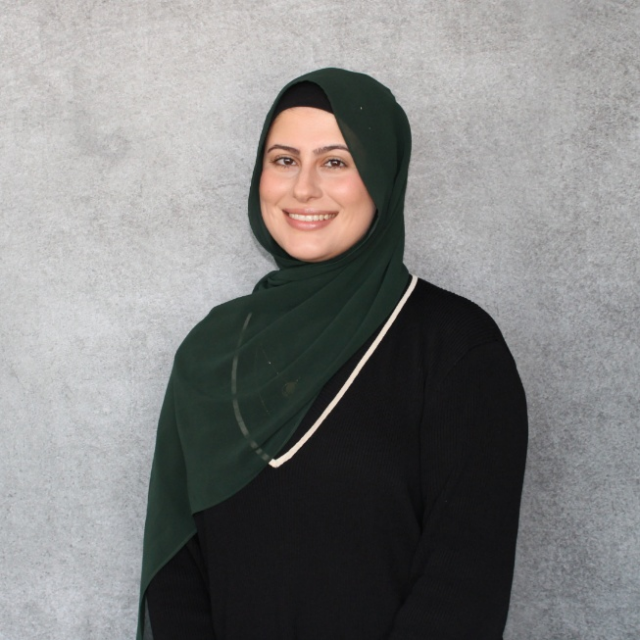
Maisah brings a wealth of knowledge and leadership experience to the Mini Masterminds Education Team. She holds a Bachelor of Social Science and a Master of Teaching, providing her with a strong foundation in child development, learning theory, and educational practice.
View Full Bio

 1300 336 464
 Book A Tour
 Enrol Now
 Contact Us
 Call Us