In Summary
Sustainability is more than a trend, it is a way of thinking, learning, and living that helps shape a better future for children and the world around them. At Mini Masterminds, sustainability is woven into everyday experiences, helping children develop an understanding of environmental responsibility from an early age.
Through hands-on learning, meaningful conversations, and environmentally conscious practices, children are encouraged to become thoughtful, curious, and caring members of their community.
By introducing sustainable habits in a positive and engaging way, Mini Masterminds helps children build lifelong values that extend beyond the classroom.
The early years are a critical time for developing attitudes, behaviours, and habits. Children naturally explore the world around them, making early childhood education the perfect opportunity to introduce sustainability concepts in a practical and age-appropriate way.
Learning about sustainability helps children:
At Mini Masterminds, sustainability is not taught as a standalone topic. Instead, it becomes part of everyday learning experiences that encourage children to actively participate and make connections with the world around them.
Mini Masterminds childcare in Sydney incorporates environmentally conscious practices throughout the centre environment and daily routines. These experiences help children understand sustainability through action and participation.
Children are encouraged to learn about recycling by sorting materials, reducing waste, and understanding where everyday items belong. Educators guide children through sustainable habits such as:
These simple but meaningful routines help children understand how their choices can help protect the environment.
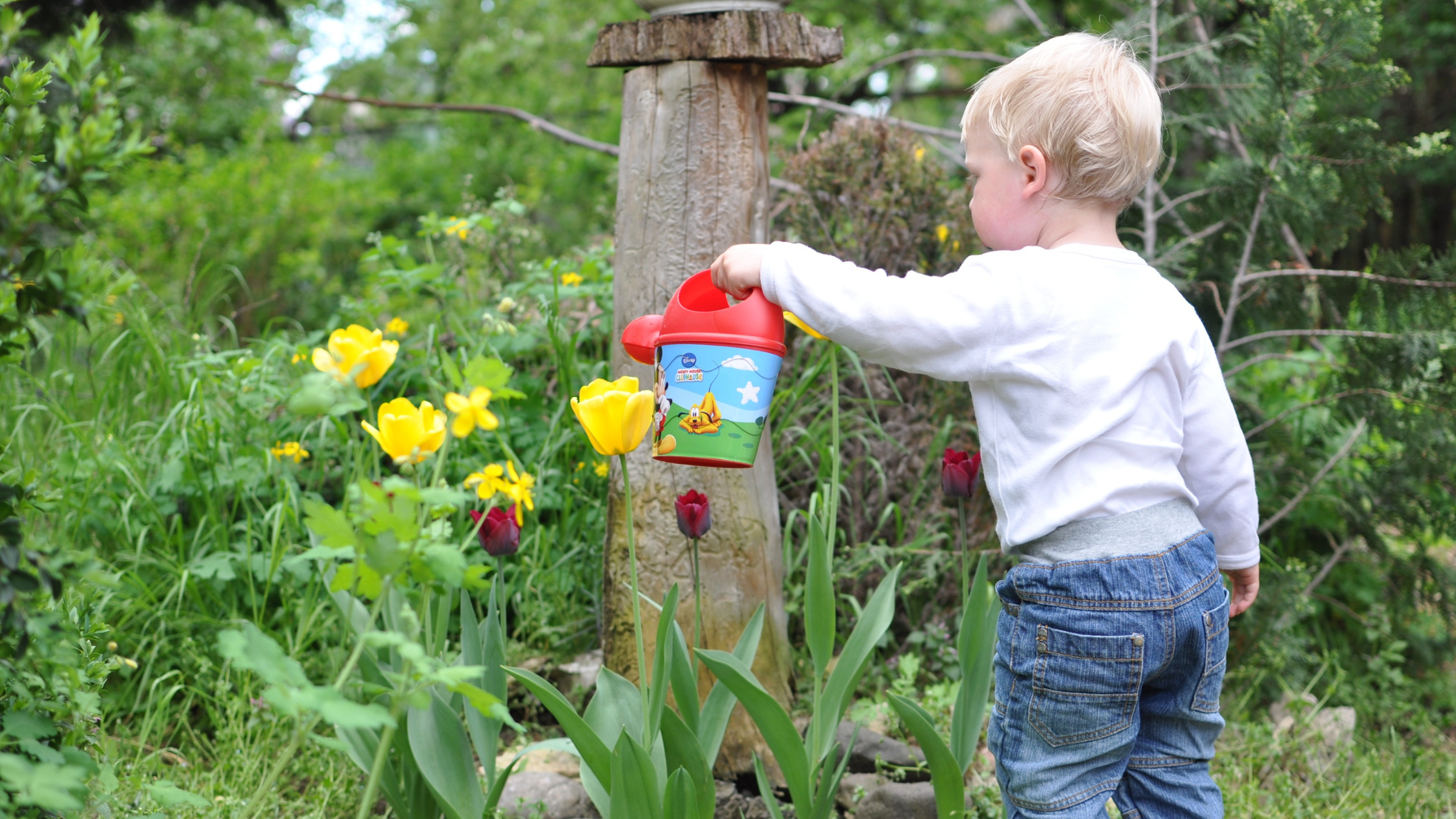
Gardening experiences give children the opportunity to connect directly with nature. Whether planting herbs, watering vegetables, or observing how plants grow, children learn valuable lessons about caring for living things and respecting the natural world.
Nature-based learning also supports:
Outdoor environments play an important role in helping children develop an appreciation for sustainability in a hands-on and engaging way.
At Mini Masterminds, recycled and natural materials are often incorporated into learning experiences and creative play. Cardboard boxes, loose parts, fabric scraps, and recyclable items can become imaginative creations, encouraging children to think creatively while learning the importance of reusing materials.
This approach not only supports sustainability but also encourages open-ended play, innovation, and problem-solving.
One of the most powerful ways children learn is through consistent modelling and participation. Educators at Mini Masterminds help children understand that caring for the environment is something we can all contribute to every day.
Children may participate in experiences such as:
These everyday experiences help children feel empowered and capable of making positive choices.
Sustainability is closely aligned with the Early Years Learning Framework (EYLF), which encourages children to become socially responsible and show respect for the environment.
At Mini Masterminds, educators intentionally create opportunities for children to:
By embedding sustainability into the curriculum, children develop skills and values that support both their learning journey and their understanding of the world around them.
Sustainability is most meaningful when children see consistent practices both at the centre and at home. Mini Masterminds values strong partnerships with families and encourages sustainable habits that children can continue outside the learning environment.
Families may be encouraged to:
When children experience sustainability across different environments, these habits become more natural and lasting.
Raising environmentally conscious children is about more than teaching recycling or gardening. It is about helping children understand that their actions matter and that they can positively contribute to the world around them.
At Mini Masterminds, sustainability is approached in a way that is engaging, meaningful, and empowering for children of all ages. Through everyday experiences, children learn to care for their environment, appreciate nature, and develop habits that can support a more sustainable future.
By nurturing environmentally conscious thinking from the early years, Mini Masterminds is helping children grow into thoughtful, responsible, and caring individuals who are ready to make a positive impact on the world.
Want to discover your local centre? Book a tour today!
Mini Masterminds Sydney Olympic Park provides care and early learning programs for babies, toddlers, and preschool-aged children. Each age group is supported with age-appropriate routines, learning experiences, and developmental guidance to help children feel confident, secure, and ready to learn.
Yes. The centre offers a school readiness program designed to help children build the confidence, independence, communication skills, and early literacy and numeracy foundations they need for a positive transition to primary school. The program supports children academically, socially, and emotionally.
Families receive regular updates about their child’s day, including learning experiences, meals, sleep routines, milestones, and achievements. Open communication helps parents stay connected to their child’s development and supports consistency between home and care.
Mini Masterminds has two centres conveniently located in Sydney Olympic Park, on Betty Cuthbert Avenue and Murray Rose Avenue. These locations are designed to support families living or working in and around the local area.
Yes. Families can book a tour to explore the centre, meet the educators, view the learning environments, and ask questions about programs, routines, fees, enrolment, and school readiness support. A tour is a helpful way to experience the centre environment firsthand.
Early learning refers to the education, care, and developmental experiences children receive before starting formal school. It supports social, emotional, cognitive, physical, and communication development.
School readiness refers to the skills, confidence, independence, behaviours, and emotional foundations that help children transition successfully into primary school.
Play-based learning is an educational approach where children learn through play, exploration, creativity, hands-on activities, and social interaction.
Intentional teaching refers to planned educator-led experiences that support specific learning goals, skills, interests, or developmental needs.
A nurturing environment is a safe, supportive, and caring setting where children feel secure, respected, encouraged, and confident to learn.
Family partnerships describe the relationship between educators and families. Strong partnerships help ensure children receive consistent support between home and childcare.
Developmental milestones are key skills or behaviours children typically develop as they grow, such as walking, talking, social interaction, independence, and emotional expression.
Social and emotional development refers to how children learn to build relationships, understand feelings, manage emotions, cooperate with others, and develop confidence.
Preschool-aged children are typically in the years before starting primary school. Early learning programs for this age group often focus on independence, school readiness, communication, and problem-solving.
A learning environment is the space where children play, explore, interact, and participate in educational experiences. This can include indoor rooms, outdoor areas, sensory spaces, and group learning areas.
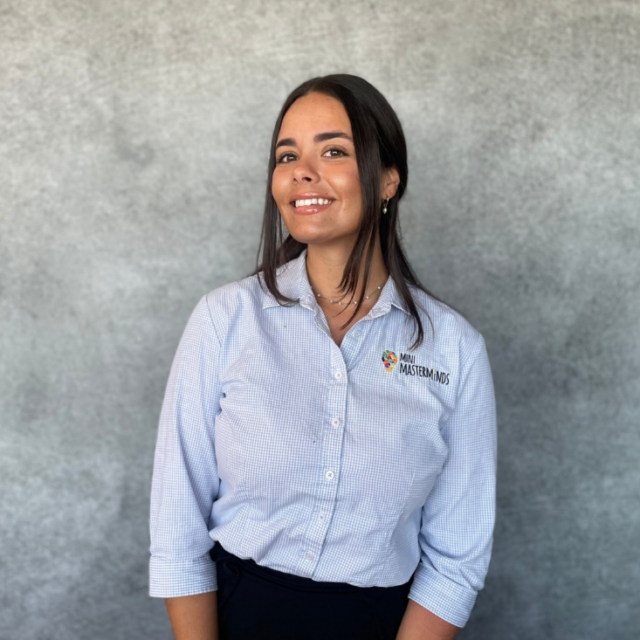
Brenda is the Centre Director at Mini Masterminds Lidcombe, bringing a wealth of knowledge, passion, and leadership to her role. With over 8 years of experience across both the early childhood and broader education sectors, Brenda has built a strong foundation in supporting children’s learning and development.
View Full Bio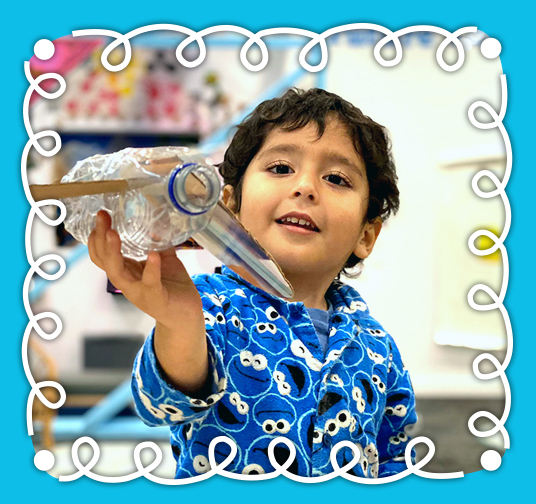

 1300 336 464
 Book A Tour
 Enrol Now
 Contact Us
 Call Us