In Summary
For many families, the morning drop-off is one of the most important parts of the day. It sets the tone for your child’s experience, helps build confidence, and creates a sense of security as they transition into their learning environment.
At Mini Masterminds, we understand that every child is different, and so is every morning. Whether your child runs excitedly into the classroom or needs a little extra reassurance, our educators are there to make the transition calm, positive, and supportive for both children and parents.
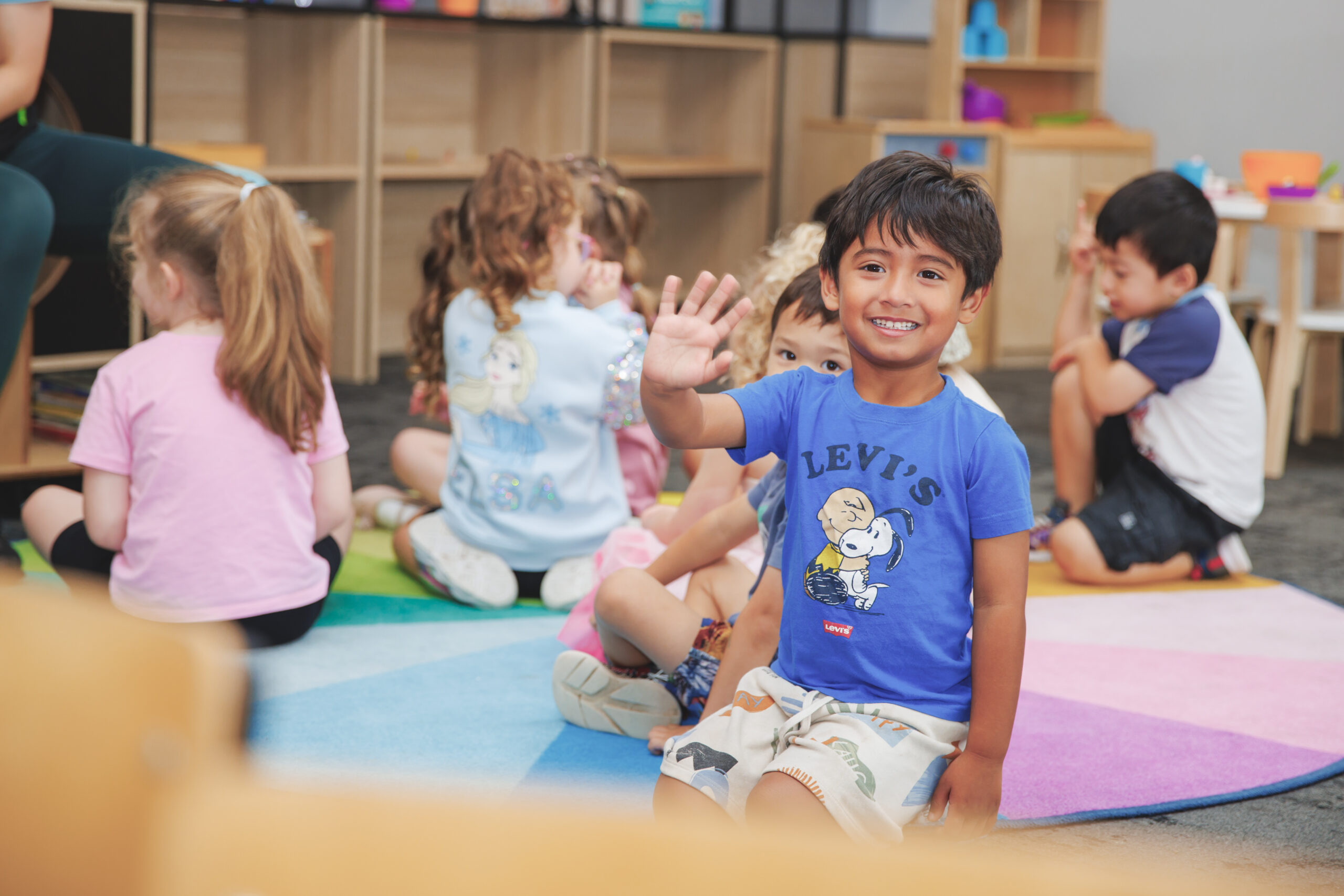
A Warm Welcome Every Morning
From the moment families arrive, our educators focus on creating a welcoming and familiar environment. Friendly greetings, smiles, and personalised interactions help children feel safe and connected from the start of the day.
Our teams take the time to learn each child’s routines, interests, and comfort needs. This helps us support smooth transitions and build strong relationships with both children and families.
Supporting Separation with Care
It’s completely normal for children, especially babies, toddlers, or those new to childcare — to experience separation anxiety at drop-off. At Mini Masterminds, our educators use gentle and responsive approaches to help children feel settled and secure.
This may include:
In many cases, children settle shortly after parents leave and become happily engaged in their morning activities.
Creating Predictable Routines
Children thrive on consistency. That’s why our morning routines are designed to feel calm, structured, and predictable.
Depending on the age group and campus, mornings may include:
Having familiar routines helps children feel more confident and comfortable throughout the day.
Building Independence and Confidence
Morning drop-offs are also an opportunity for children to build independence. Simple moments like putting away their bag, signing in with a parent, washing hands, or choosing an activity help children develop confidence and a sense of belonging within their environment.
Our educators encourage children to participate in these routines at their own pace while providing support where needed.
Communication with Families Matters
We know that parents want reassurance that their child is happy and settled. Our educators prioritise strong communication and partnership with families during the drop-off process.
Families are encouraged to share important information about:
This helps our educators provide personalised care and support throughout the day.
Tips for a Smooth Drop-Off Routine
Consistency can make a big difference when it comes to morning transitions. Here are a few simple strategies that can help:
Most importantly, remember that adjusting to childcare is a journey, and every child settles differently.
A Supportive Start to Every Day
At Mini Masterminds childcare North Parramatta, we believe that meaningful relationships and nurturing environments help children feel confident, safe, and ready to learn.
Our educators are committed to making every morning transition a positive experience, helping children begin their day with comfort, connection, and confidence.
If you’re looking for a childcare centre that prioritises emotional wellbeing, communication, and personalised care, we’d love to welcome your family to Mini Masterminds.
Explore our campuses or book a tour today to experience the Mini Masterminds difference.
FAQs
What happens when I drop my child off at Mini Masterminds?
At drop-off, educators warmly welcome children and families, helping each child settle into the learning environment. Depending on the child’s age, routine, and needs, this may include greetings, comfort, free play, breakfast, sensory activities, outdoor play, or time with educators and peers.
What if my child cries at drop-off?
It is completely normal for some children to feel upset during drop-off, especially when they are new to childcare or going through a developmental stage. Our educators provide comfort, reassurance, and gentle redirection to help children feel safe and supported as they settle into the day.
How can I make childcare drop-off easier?
A consistent morning routine can help make drop-off smoother. Keeping goodbyes short and positive, speaking calmly about childcare, allowing enough time in the morning, and reassuring your child that you will return can all help build confidence over time.
Will educators let me know if my child settles?
Yes. Communication with families is an important part of the morning transition. Educators can provide reassurance and updates so parents feel confident that their child is being cared for, supported, and helped to settle into the day.
Why are routines important at drop-off?
Predictable routines help children understand what to expect, which can reduce uncertainty and support emotional security. Familiar steps such as putting away a bag, saying goodbye, washing hands, or choosing an activity can help children feel more independent and confident.
Glossary of Terms
Drop-Off
Drop-off refers to the time when families bring their child into childcare at the start of the day. It is an important transition from home into the early learning environment.
Morning Transition
Morning transition describes the process of helping children move from being with their family into their childcare routine. A positive transition helps children feel secure, calm, and ready to participate.
Separation Anxiety
Separation anxiety is when a child feels upset or worried when separating from a parent or caregiver. It is common in early childhood and can be supported through reassurance, consistency, and nurturing educator relationships.
Settling
Settling refers to the process of helping a child feel comfortable, safe, and engaged after arriving at childcare. Some children settle quickly, while others may need more time and support.
Predictable Routine
A predictable routine is a familiar sequence of daily steps or activities. For children, routines help create a sense of security because they know what to expect.
Emotional Wellbeing
Emotional wellbeing refers to a child’s ability to feel safe, supported, connected, and confident. Positive relationships and calm routines help support emotional wellbeing in childcare.
Responsive Care
Responsive care means educators respond thoughtfully to a child’s emotions, needs, cues, and behaviours. This helps children feel understood, secure, and valued.
Independence
Independence refers to a child’s ability to try tasks, make choices, and participate in routines with increasing confidence. At drop-off, this might include putting away their bag or choosing an activity.
Educator-Child Relationship
An educator-child relationship is the connection built between a child and their educator. Strong relationships help children feel safe, supported, and confident in their learning environment.
Family Communication
Family communication refers to the information shared between parents and educators. This may include updates about sleep, health, emotions, routines, milestones, or changes at home.

Brenda is the Centre Director at Mini Masterminds Lidcombe, bringing a wealth of knowledge, passion, and leadership to her role. With over 8 years of experience across both the early childhood and broader education sectors, Brenda has built a strong foundation in supporting children’s learning and development.
View Full Bio

 1300 336 464
 Book A Tour
 Enrol Now
 Contact Us
 Call Us