In Summary
The early years of a child’s life are some of the most important for growth and development. During this time, children are not only learning foundational academic skills, but also developing the values, attitudes, and behaviours that will help shape the person they become.
From learning how to share and communicate, to developing empathy, confidence, and resilience, early learning environments play a powerful role in supporting a child’s emotional and social development. The experiences children have in their early years often influence how they approach relationships, challenges, learning, and the world around them later in life.
A high-quality early learning centre provides children with opportunities to build these lifelong values in a safe, nurturing, and supportive environment.
Why the Early Years Matter
Research consistently shows that the first five years of life are critical for brain development. During this period, children absorb information rapidly through experiences, relationships, and interactions with others.
While literacy and numeracy are important, early learning is equally focused on helping children develop:
These are the foundations children rely on throughout school, friendships, future workplaces, and everyday life.
Learning Values Through Play
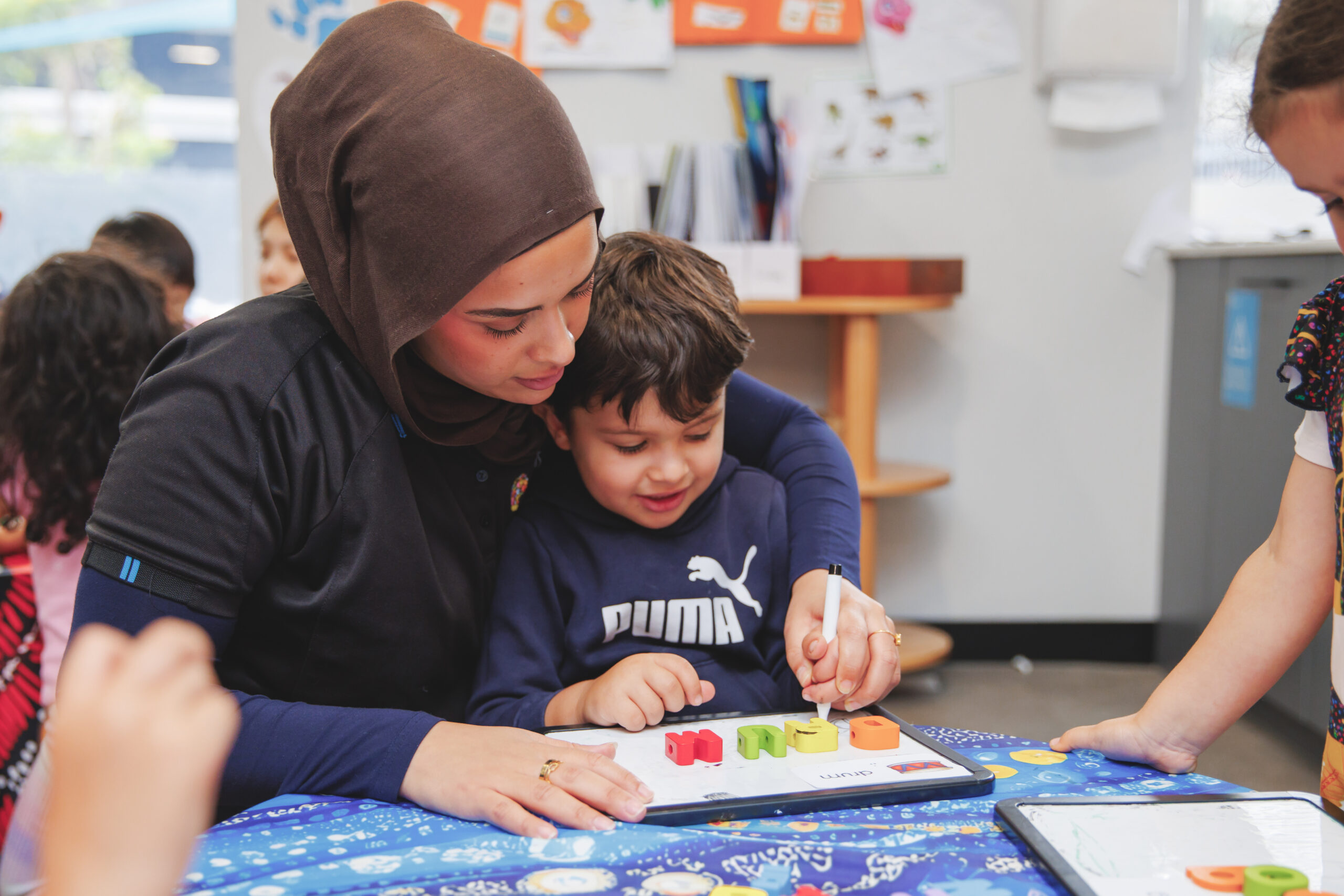
Play-based learning is one of the most effective ways young children develop social and emotional skills. Through play, children naturally begin learning how to cooperate, negotiate, listen, and express themselves.
For example:
Children learn best when they feel engaged, curious, and supported. Play creates meaningful opportunities for children to practise important life skills in a way that feels natural and enjoyable.
Building Confidence and Independence
Confidence is not built overnight, it develops through encouragement, positive experiences, and opportunities to try new things.
In an early learning environment, children are encouraged to:
Whether it’s putting on their shoes, helping pack away toys, or contributing during group discussions, these small moments help children develop a sense of achievement and capability.
As confidence grows, children are often more willing to take on challenges, adapt to change, and approach learning positively.
Teaching Empathy, Kindness, and Respect
One of the most valuable parts of early education is helping children understand and care for others.
Through guided interactions and everyday experiences, children begin learning:
These lessons help children develop empathy and emotional awareness from an early age.
Exposure to diverse cultures, backgrounds, languages, and family structures also helps children build understanding and respect for differences, creating a strong sense of inclusion and belonging.
Developing Resilience in Early Childhood
Resilience is an important life skill that helps children cope with challenges, setbacks, and new experiences.
Early learning environments help children build resilience by encouraging them to:
Supportive educators guide children through these moments while helping them feel safe and capable. Over time, children begin learning that challenges are part of growth and learning.
The Important Role of Educators
Educators play a significant role in shaping children’s values and behaviours. Positive relationships between educators and children help build trust, emotional security, and confidence.
High-quality educators intentionally create environments where children feel:
By modelling positive behaviours every day, educators help children learn how to communicate respectfully, build relationships, and regulate emotions.
Strong educator-child relationships also support children in developing a positive attitude toward learning and social interaction.
Partnering With Families
Children benefit most when families and educators work together. Consistency between home and early learning environments helps reinforce positive behaviours and values.
Open communication allows educators and families to support children collaboratively as they develop emotionally, socially, and academically.
At home and in care, children thrive when they experience:
These combined experiences help children develop strong foundations for life.
How Mini Masterminds Supports Lifelong Learning
At Mini Masterminds childcare Rockdale, we believe early education is about nurturing the whole child. Our learning environments are designed to support not only school readiness, but also emotional wellbeing, confidence, creativity, and social development.
Through our play-based curriculum and passionate educators, children are encouraged to:
We understand that the early years help shape the future, which is why we focus on creating experiences that support children both now and throughout life.
FAQs
Why is early learning important for social development?
Early learning gives children regular opportunities to interact with other children and educators in a safe, supportive environment. These everyday interactions help children practise communication, sharing, cooperation, turn-taking, empathy, and confidence in social settings.
Can childcare help teach values?
Yes. High-quality childcare environments help children develop important values through play, routines, guided conversations, group activities, and positive role modelling. Values such as kindness, respect, inclusion, patience, and resilience are reinforced through everyday experiences.
What values do children learn in early childhood education?
Children can develop a wide range of values during early childhood education, including empathy, responsibility, independence, cooperation, respect, confidence, resilience, and inclusion. These values help children build positive relationships and approach learning and challenges with a stronger sense of confidence.
How do educators support emotional development?
Educators support emotional development by building trusting relationships with children, helping them recognise and express their feelings, and guiding them through social situations. They also model positive behaviours, encourage problem-solving, and help children develop strategies for managing emotions.
How can parents support value development at home?
Parents can support value development by modelling kindness, patience, respect, and positive communication in everyday family life. Encouraging independence, praising effort, talking about emotions, and reinforcing behaviours such as sharing and empathy can help children build strong values at home and in care.
Glossary of Terms
Early Learning
Early learning refers to the education, care, and developmental experiences children receive before starting formal school. It supports social, emotional, cognitive, physical, and communication development.
Play-Based Learning
Play-based learning is an approach where children learn through play, exploration, creativity, and hands-on experiences. It helps children build confidence, curiosity, problem-solving skills, and social awareness.
Social Development
Social development refers to how children learn to interact with others, build relationships, communicate, share, cooperate, and understand social expectations.
Emotional Development
Emotional development is the process of learning to recognise, understand, express, and manage emotions. It also includes developing empathy and emotional awareness.
Resilience
Resilience is the ability to cope with challenges, setbacks, change, and frustration. In early childhood, resilience develops through encouragement, supportive relationships, and opportunities to try again after difficulties.
Empathy
Empathy is the ability to understand and care about how another person may be feeling. It helps children develop kindness, compassion, and positive relationships.
Independence
Independence refers to a child’s growing ability to make choices, attempt tasks, solve simple problems, and develop self-help skills with increasing confidence.
Self-Regulation
Self-regulation is the ability to manage emotions, behaviour, and attention. It helps children participate in group activities, handle transitions, and respond to challenges more calmly.
School Readiness
School readiness refers to the skills, confidence, behaviours, and emotional foundations that help children transition successfully into formal schooling.
Educator-Child Relationship
An educator-child relationship is the bond formed between a child and their educator. Secure, positive relationships help children feel safe, supported, understood, and confident to learn.
Give Your Child the Best Start
Choosing the right early learning environment can have a lasting impact on your child’s confidence, wellbeing, and development.
At Mini Masterminds, we are passionate about helping children build strong foundations for life through meaningful learning experiences, supportive relationships, and nurturing care.
To learn more about our centres or book a tour, visit Mini Masterminds today.

Maisah brings a wealth of knowledge and leadership experience to the Mini Masterminds Education Team. She holds a Bachelor of Social Science and a Master of Teaching, providing her with a strong foundation in child development, learning theory, and educational practice.
View Full Bio

 1300 336 464
 Book A Tour
 Enrol Now
 Contact Us
 Call Us