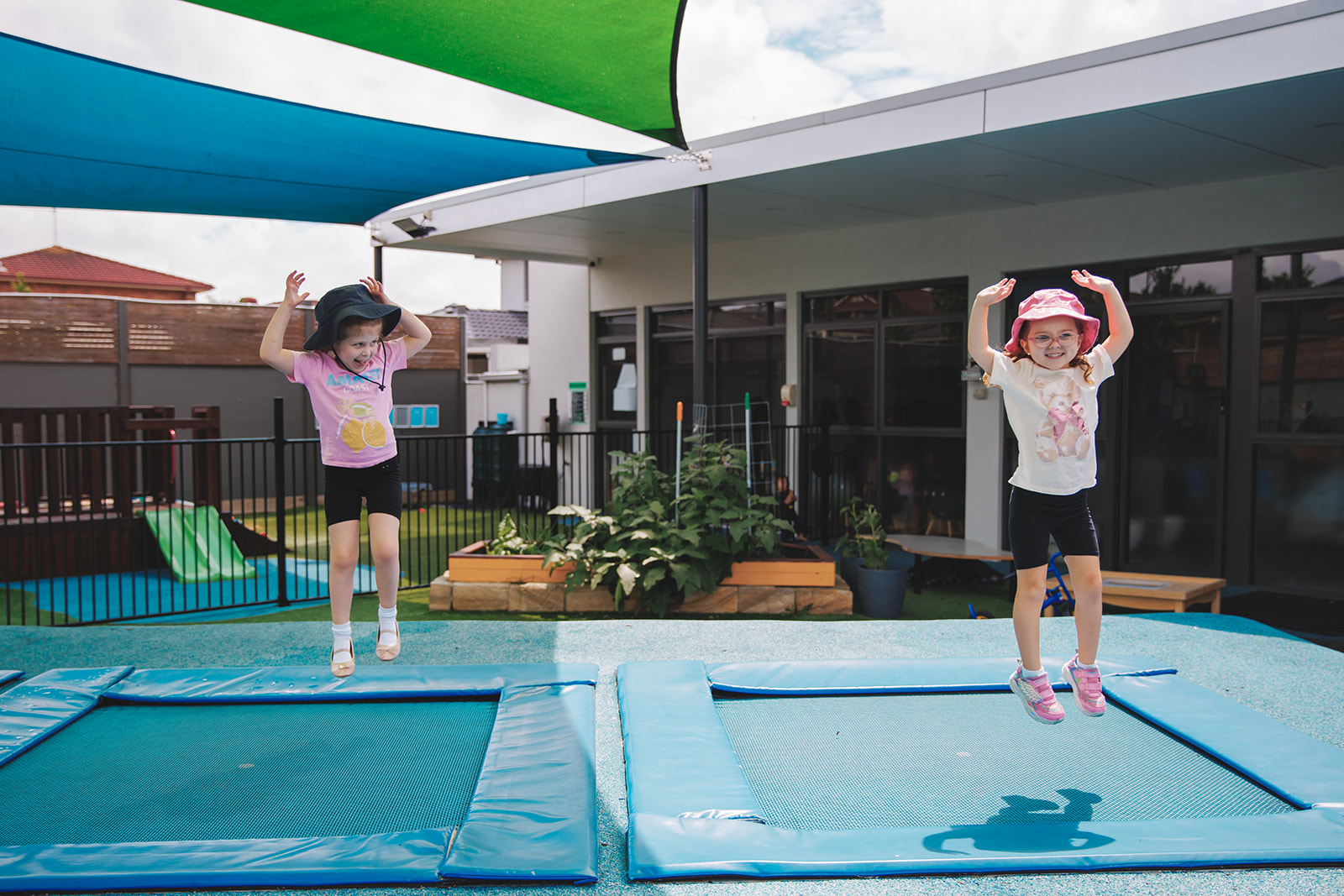
Outdoor play is often seen as a way for children to burn energy or take a break from structured learning, but in early childhood education it plays a much deeper and more important role. It is one of the most powerful ways children develop the physical, emotional, social, and cognitive skills they need for lifelong learning.
At Mini Masterminds, outdoor learning is intentionally embedded into the daily program, ensuring children are given rich opportunities to explore, take risks, and engage with the world around them in meaningful ways.
Outdoor play is essential because it provides children with experiences that cannot always be replicated indoors. It allows them to move freely, test their abilities, and interact with natural and physical environments in a way that supports whole-child development.
When children play outside, they are not just “playing”, they are actively learning. They are developing coordination, building friendships, learning how to solve problems, and discovering how their bodies move in space.
These skills are critical during the early years, when the brain is rapidly developing and forming foundational connections for future learning.
One of the most obvious benefits of outdoor play is physical development. Outdoor environments naturally encourage children to move in ways that build strength, coordination, and balance.
Activities such as running, climbing, jumping, and balancing help children develop gross motor skills, which are essential for everyday tasks and later academic learning, including writing and concentration.
At Mini Masterminds children are encouraged to engage in a wide variety of physical activities outdoors. These experiences help them understand their bodies, build confidence in their physical abilities, and develop healthy habits from an early age.
Outdoor play is also a powerful tool for brain development. When children explore outdoor environments, they are constantly making decisions, solving problems, and testing ideas.
For example, a child deciding how to climb a structure, or how to navigate a group game, is engaging in early critical thinking and planning. These moments build important cognitive skills such as:
Outdoor environments are unpredictable, which encourages children to think flexibly and adapt to new situations—an important skill for lifelong learning.
Outdoor play naturally encourages interaction between children. Unlike structured indoor activities, outdoor environments often involve group games, shared equipment, and collaborative play.
Through these experiences, children learn how to:
These social interactions are essential for emotional development. Children learn how to manage frustration, express themselves, and understand the feelings of others.
Outdoor play also supports emotional resilience. When children face small challenges—such as balancing, climbing, or navigating group dynamics—they learn persistence and confidence in their abilities.
At Mini Masterminds childcare, outdoor learning is a central part of the daily curriculum rather than an occasional activity. The outdoor environment is designed to support both structured and unstructured play, allowing children to explore freely while still being guided by intentional learning outcomes.
Children engage in activities such as group games, imaginative play, physical challenges, and nature exploration. Educators observe, extend, and support learning moments, ensuring that each experience contributes to developmental growth.
The outdoor environment is thoughtfully designed to encourage curiosity, movement, and creativity, helping children connect their learning to the real world in meaningful ways.
In high-quality early learning settings, outdoor play is not optional, it is essential. Children should have daily access to outdoor environments in a variety of weather conditions, where safe and appropriate.
At Mini Masterminds childcare, outdoor play is integrated throughout the day, our outdoor play areas, such as the one we have at our Lidcombe childcare centre resourced with the finest equipment to ensure children have an enriching, and safe, outdoor experience every day. It is balanced with indoor learning experiences, ensuring children benefit from a holistic and well-rounded programs.
Why is outdoor play more beneficial than indoor play? Outdoor play offers unique opportunities for physical movement, exploration, and sensory experiences that support multiple areas of development. The natural unpredictability of outdoor environments also challenges children to think creatively, adapt to new situations, and develop the kind of flexible thinking that indoor settings cannot always provide.
Is outdoor play safe in childcare settings? Yes. At Mini Masterminds, all outdoor play is carefully supervised and designed with safety in mind while still encouraging exploration. Our educators strike a thoughtful balance between allowing children to take age-appropriate risks — which builds confidence and resilience — and maintaining the safe, supportive environment every child deserves.
What if my child doesn’t enjoy outdoor play? Educators gently support children to build confidence outdoors at their own pace, often through small group play and guided experiences. Every child is different, and our team takes the time to understand individual comfort levels, gradually introducing new challenges in ways that feel safe, fun, and achievable for each child.
Does outdoor play support school readiness? Yes. It builds independence, coordination, social skills, and problem-solving abilities — all essential for transitioning to school. Children who regularly engage in outdoor play also tend to develop stronger emotional regulation and peer relationship skills, helping them settle into a classroom environment with greater confidence and ease.
Gross Motor Skills Physical abilities involving large muscle groups, used for actions like running, jumping, and climbing.
Cognitive Development The development of thinking, problem-solving, and understanding skills in children as they grow and learn.
Risky Play Supervised activities that allow children to safely explore challenge, build confidence, and develop resilience through age-appropriate physical and social experiences.
Open-Ended Play Play without a fixed outcome, encouraging creativity, imagination, and independent thinking.
Resilience The ability to recover from challenges, manage setbacks, and persist through difficulty — a skill actively developed through outdoor play experiences.

Brenda is the Centre Director at Mini Masterminds Lidcombe, bringing a wealth of knowledge, passion, and leadership to her role. With over 8 years of experience across both the early childhood and broader education sectors, Brenda has built a strong foundation in supporting children’s learning and development.
View Full Bio

 1300 336 464
 Book A Tour
 Enrol Now
 Contact Us
 Call Us