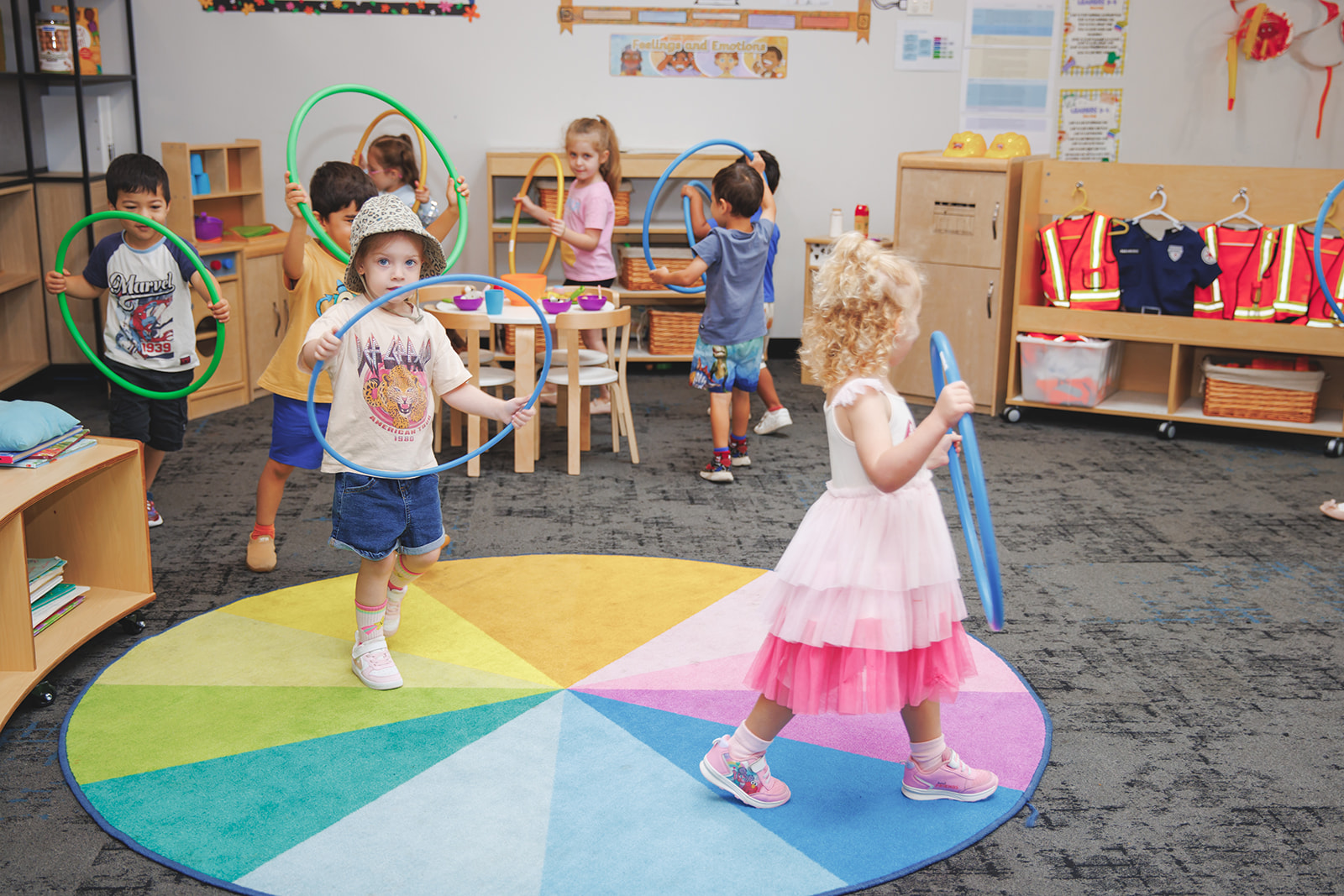
In early childhood education, learning doesn’t stop at the classroom door. In fact, some of the most powerful developmental moments happen when children are singing, dancing, moving, exploring, and simply having fun.
At Mini Masterminds, we believe every child is a capable, curious learner, and extra-curricular experiences like music and movement play a vital role in helping them grow into confident, capable “mini champions” in their own right.
But what exactly makes music and movement so important in the early years? And how do these experiences support your child’s development beyond just “fun”?
Music and movement are more than just energetic activities to burn off energy, they are powerful tools for whole-child development.
When children engage in singing, dancing, rhythm games, and physical play, they are developing:
At Mini Masterminds, these experiences are intentionally embedded into our daily routines and enriched through structured extra-curricular programs.
Music has a unique way of reaching every part of a child’s development at once.
Singing songs, chanting rhymes, and repeating rhythms help children understand sounds, patterns, and vocabulary. This builds early literacy skills long before formal reading begins.
Music supports memory, sequencing, and pattern recognition. When children remember lyrics or follow a beat, they are strengthening brain pathways linked to learning and problem-solving.
Music gives children a safe way to express feelings they may not yet have the words for. Whether it’s excitement, calmness, or joy, music helps children process emotions naturally.
Children are designed to move. Physical activity isn’t just beneficial — it’s essential.
Running, jumping, balancing, and dancing all help strengthen core muscles, coordination, and spatial awareness.
Movement activities help children understand what their bodies can do, building confidence in their physical abilities.
Physical activity supports better focus and attention. Children who engage in regular movement often find it easier to transition into calmer learning experiences.
At Mini Masterminds, movement is not confined to outdoor play — it is woven throughout the day in structured and unstructured ways.
Extra-curricular programs in early learning environments provide children with opportunities to explore interests beyond the core curriculum.
At Mini Masterminds, these experiences are designed to:
Music and movement programs are a key part of this approach, giving children the freedom to express themselves while developing essential life skills.
One of the most powerful benefits of group-based activities is social development.
When children participate in music and movement experiences, they learn how to:
These early social skills lay the foundation for strong relationships throughout school and life.
At Mini Masterminds, we take a holistic approach to early childhood education. Music and movement are not “extra”, they are essential parts of how children learn every day.
Our educators intentionally integrate:
Each experience is designed to align with the Early Years Learning Framework (EYLF), supporting identity, wellbeing, connectedness, confidence, and communication.
A “mini champion” isn’t defined by perfection, it’s about progress, confidence, and curiosity.
Through music and movement, children at Mini Masterminds become mini champions who:
Every clap, dance step, and song sung contributes to a child’s growing sense of self.
Take a peak into our Sydney Olympic Park childcare centre Mini Champions session:
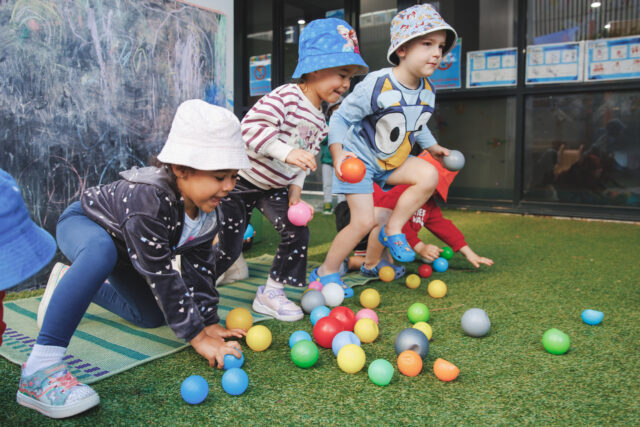
Every child is different, and that’s exactly why these activities are so valuable.
Some children may love dancing and movement from the start. Others may prefer to observe before joining in. Both responses are completely normal.
At Mini Masterminds, educators support each child’s unique learning style by:
The goal is not performance — it’s participation, joy, and development.
Music and movement contribute directly to school readiness by strengthening:
Children who regularly engage in these experiences often transition more smoothly into formal schooling environments.
At its core, early childhood education should be joyful, engaging, and meaningful. Music and movement bring these elements together in a way that supports the whole child — mind, body, and emotions.
At Mini Masterminds, we are committed to creating environments where children don’t just learn — they thrive, explore, and grow into confident mini champions.
Because when children move, sing, dance, and express themselves freely, they’re not just having fun… they’re building the foundation for a lifetime of learning.
Book a visit
Want to see how Mini Masterminds brings music, movement, and learning to life?
Book a tour today and experience it for yourself.
Why are music and movement included in a childcare program? Music and movement are included because they are among the most effective tools for supporting whole-child development in the early years. Far from being optional extras, these experiences directly support language acquisition, cognitive development, physical coordination, emotional regulation, and social skills — all within an environment that feels joyful and engaging for young children.
How does Mini Masterminds incorporate music and movement into the day? Music and movement are woven throughout the daily program at Mini Masterminds, from songs used during transitions to structured dance and rhythm sessions, movement-based learning activities, and outdoor physical play. Rather than being limited to a single session, these experiences are embedded across the day to ensure children benefit from them consistently and in meaningful contexts.
What if my child is shy or reluctant to participate? Educators at Mini Masterminds support every child at their own pace, encouraging participation without pressure and offering varied levels of engagement. Children who prefer to observe before joining in are given the space and time to do so, with educators gently building their confidence through inclusive, low-pressure group experiences that feel safe and welcoming.
How do music and movement support school readiness? Music and movement build many of the foundational skills children need for a successful transition to school, including the ability to listen and follow instructions, early literacy and numeracy foundations, emotional regulation in group settings, and the confidence to participate in shared learning experiences. Children who engage regularly in these activities often adapt more smoothly to the structure and social dynamics of a classroom environment.
Are these activities suitable for all ages and developmental stages? Yes. Music and movement experiences at Mini Masterminds are designed to be inclusive and adaptable, supporting children across different ages and developmental stages. Educators observe each child’s individual responses and adjust activities accordingly, ensuring every child can participate in a way that feels appropriate, enjoyable, and developmentally meaningful for them.
Whole-Child Development An approach to early childhood education that supports all areas of a child’s growth simultaneously, including physical, cognitive, emotional, social, and creative development.
Gross Motor Skills Physical abilities involving large muscle groups, used for actions like running, jumping, balancing, and dancing.
Fine Motor Skills Physical abilities involving smaller muscle groups and precise movements, such as gripping, drawing, and manipulating objects.
Emotional Regulation The ability to recognise, manage, and express emotions in appropriate ways, developed gradually through supportive relationships and structured experiences during the early years.
School Readiness The range of social, emotional, communication, and cognitive skills children develop before starting primary school, helping them transition confidently into a structured learning environment.
Early Years Learning Framework (EYLF) Australia’s national curriculum framework for children aged birth to five years, guiding educators to support learning and development through play-based and intentional teaching practices.
Intentional Teaching A practice where educators purposefully design and guide learning experiences based on each child’s interests, developmental stage, and individual learning goals.
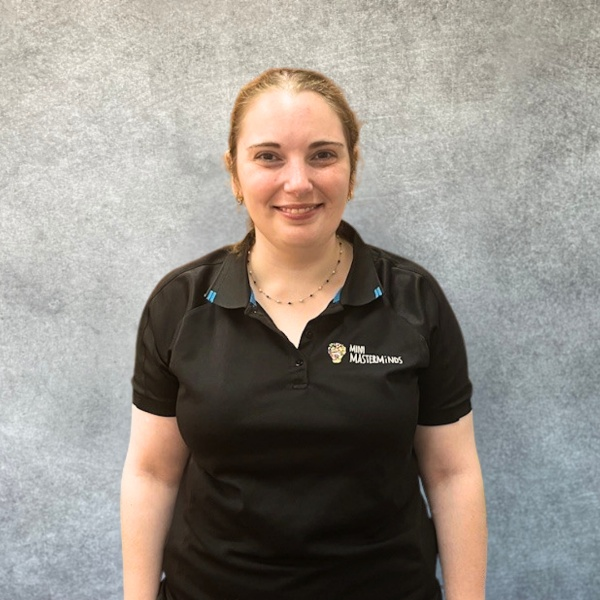
Nicole is an experienced early childhood educator with a Bachelor’s in Early Childhood Education and Care and a Master’s in Inclusive and Special Education, majoring in Early Childhood. Her academic background underpins her strong commitment to inclusive, equitable learning for all children.
View Full Bio

 1300 336 464
 Book A Tour
 Enrol Now
 Contact Us
 Call Us