3-DAY CHILDCARE GUARANTEE PLUS NO FEE INCREASE UNTIL 2027
3-DAY CHILDCARE GUARANTEE PLUS NO FEE INCREASE UNTIL 2027
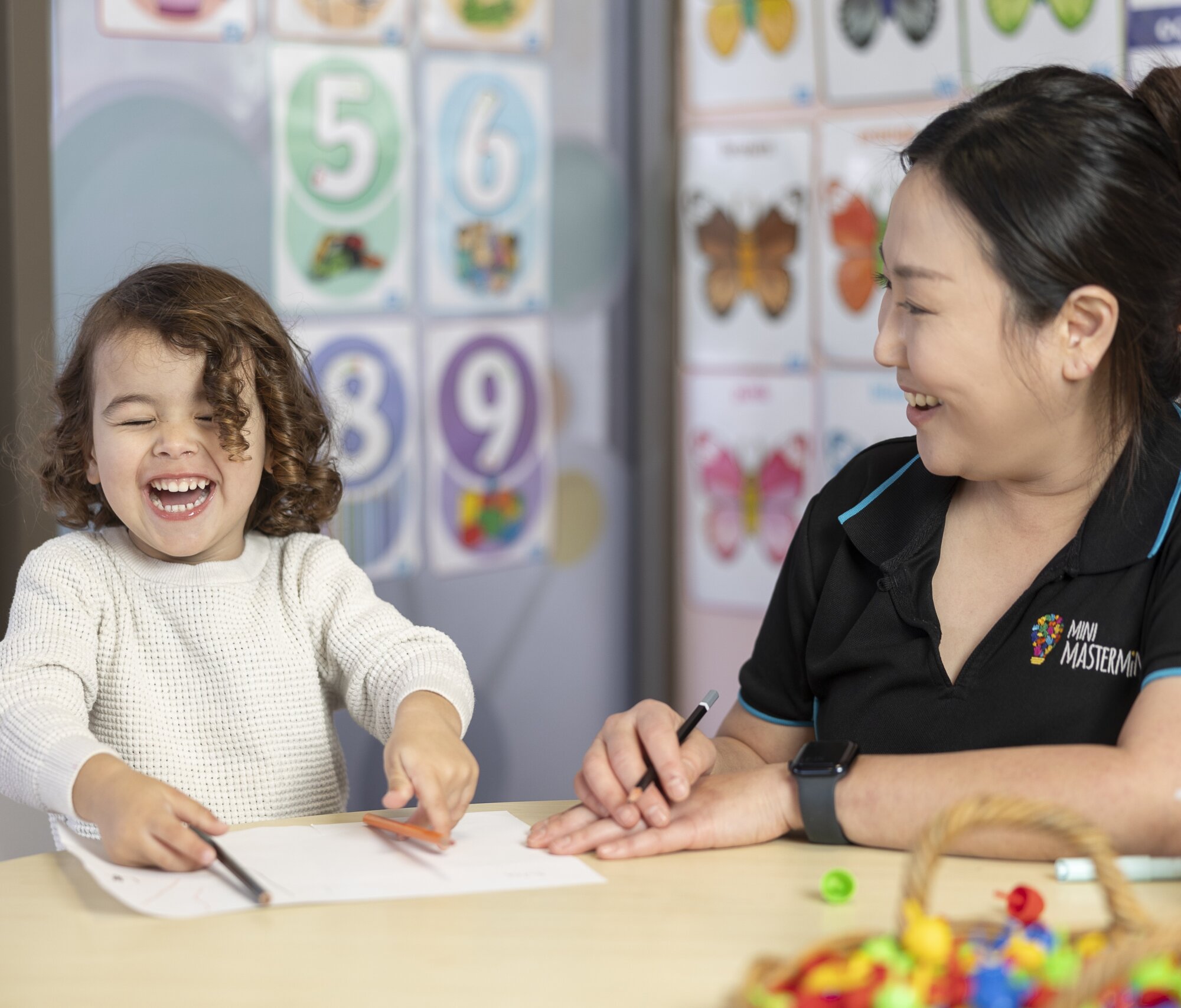
When choosing a childcare service, families often look for quality childcare that’s safe, engaging, and supportive. But what does quality childcare really look like in everyday practice? At Mini Masterminds, we know that it’s the small, consistent moments that make a lasting difference in a child’s early learning and development.
At the heart of quality childcare are strong relationships between children and educators. High-quality childcare ensures each child feels valued, supported, and understood. Educators build trust through daily interactions, comforting a child, celebrating achievements, or simply listening. These consistent, caring connections create a foundation for emotional wellbeing and social development.
Key takeaways:
One of the features of quality early childhood education is learning through play. In our childcare centres, children explore activities designed to spark curiosity and creativity. Whether it’s sensory play with sand and water, hands-on science experiments, our Mini Chefs program, or storytelling and art, every activity encourages problem-solving, imagination, and independent thinking.
Why this matters:
A safe, child-friendly environment is essential in quality childcare. Centres are designed with spaces for active play, quiet reflection, and creative exploration, giving children the freedom to discover while staying safe. Educators maintain supervision without restricting independence, helping children build confidence, resilience, and a sense of autonomy.
Key features of a quality environment:
Quality childcare values open communication and strong partnerships with families. Daily updates on our childcare apps keep parents informed about their child’s learning, moods, and achievements. When families and educators work together, children benefit from consistency, support, and a stronger sense of belonging both at home and at the childcare centre.
Ways we involve families:
High-quality childcare relies on educators who are committed to ongoing professional development in early childhood education. From learning new teaching strategies to staying up-to-date with child development research, well-trained educators provide richer, more effective learning experiences.
Benefits of ongoing training:
While routines create security, quality childcare adapts to children’s needs throughout the day. Educators respond to children’s interests, energy levels, and emotions, creating a balance of structure and flexibility.
The result:
Quality childcare is about more than supervision, it’s about fostering growth, curiosity, and wellbeing every single day. At Mini Masterminds, we combine safe environments, engaging learning, and strong educator relationships to help children flourish. Every day is a learning opportunity, and every child is supported to reach their full potential.
What is the educator-to-child ratio at Mini Masterminds?
We maintain educator-to-child ratios that meet or exceed Australian regulations, ensuring every child receives individual attention and care. Smaller groups allow educators to provide meaningful interactions, support learning, and respond to each child’s needs effectively.
Are meals and nutrition provided at the centres?
Yes, all Mini Masterminds centres provide nutritious meals and snacks tailored to children’s developmental needs. Menus are designed to support growth, energy, and healthy eating habits, with options for allergies and dietary preferences.
How do you support children with additional learning needs?
Our educators are trained to recognise and support children with diverse learning needs. Individualised learning plans, adaptive activities, and collaboration with families and specialists ensure every child can thrive in a supportive, inclusive environment.
What safety measures are in place at the centre?
Safety is a top priority. Centres are equipped with secure entry points, age-appropriate furniture, safe outdoor play areas, and first aid-trained educators. Regular risk assessments and hygiene protocols ensure a safe, healthy environment for all children.
How are children’s developmental milestones tracked?
Educators observe and document children’s progress daily, using both digital apps and personal learning records. Families receive regular updates on milestones, achievements, and learning highlights, allowing for ongoing collaboration between home and the centre.
How are transitions handled for new children?
We understand that starting childcare can be a big step. Our orientation and settling-in processes are designed to support children emotionally and socially, allowing them to adjust at their own pace while building trust with educators and peers.

 1300 336 464
 Book A Tour
 Enrol Now
 Contact Us
 Subsidy Estimator
 Call Us