3-DAY CHILDCARE GUARANTEE PLUS NO FEE INCREASE UNTIL 2027
3-DAY CHILDCARE GUARANTEE PLUS NO FEE INCREASE UNTIL 2027
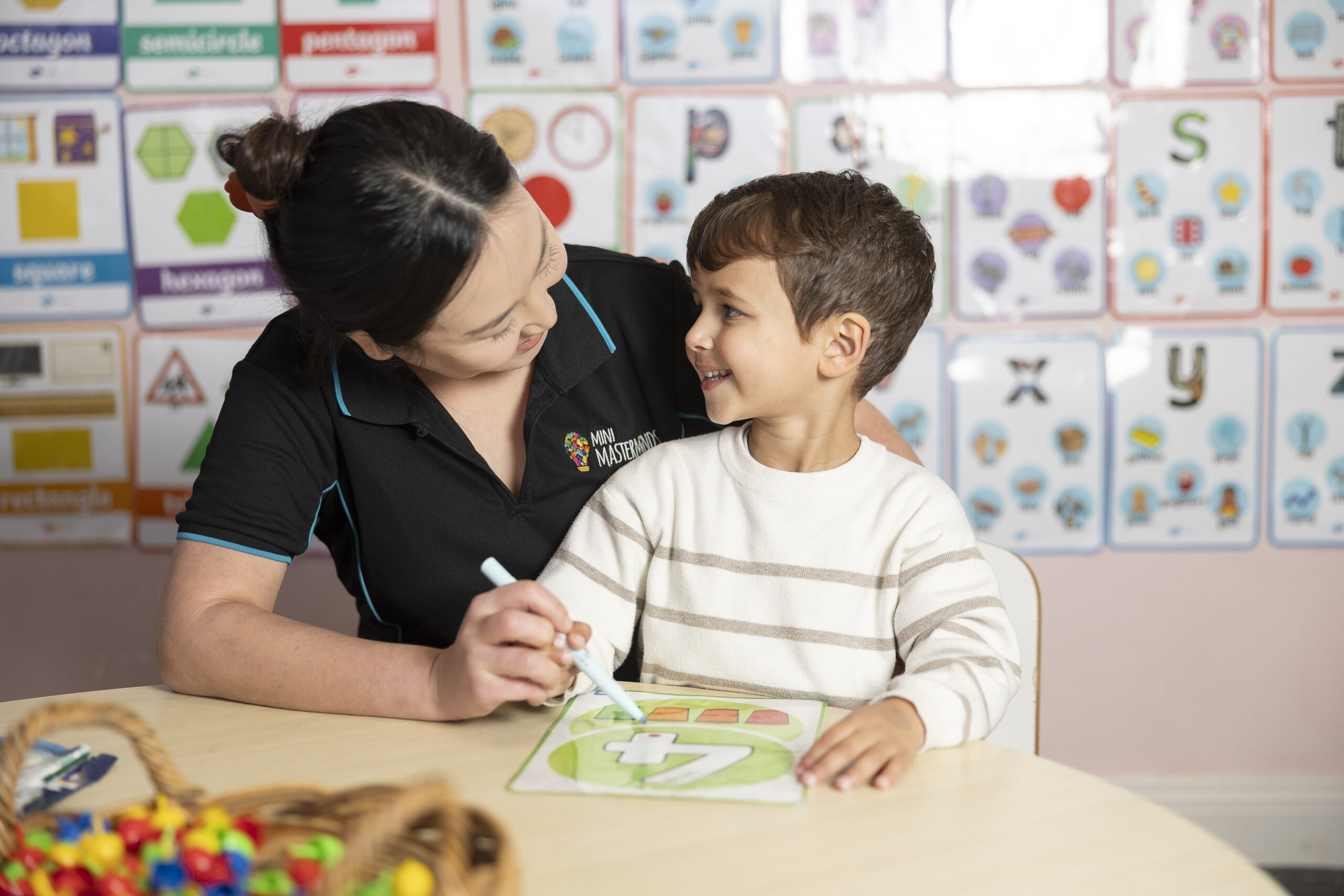
In the early years, children build the foundations for learning, social skills, and emotional wellbeing. They learn best through strong relationships, meaningful play, repetition, and hands-on exploration. Understanding these principles helps parents and caregivers support learning in everyday life. At Mini Masterminds, we see every day how children excel when given the right environment and guidance at home and in their early learning centre. This is why we follow the best practices to ensure every child’s learning, development, and curiosity are supported in a safe, engaging, and nurturing way.
Children learn language, skills, and confidence through responsive interactions with adults. When they feel safe and understood, they are more willing to explore, take risks, and engage deeply in learning.
Ways to Support Learning Through Relationships:
Play is how young children explore ideas, solve problems, and make sense of the world. Different types of play (imaginative, physical, creative, and construction) build different skills, from coordination and communication to emotional understanding.
Signs of Learning During Play:
Repetition helps children practise skills until they feel confident and capable. It works best when learning is woven into daily life, giving children many meaningful chances to try, adjust, and master new skills over time.
Ways to Include Repetition in Daily Life:
Exploration taps into children’s natural curiosity and supports learning through the senses. Hands-on experiences help children connect ideas to real life, build problem-solving skills, and develop resilience as they experiment and try again.
Ideas for Exploration:
While play and exploration are essential, children also learn best when their days feel predictable and safe. Clear routines and gentle boundaries help children understand what comes next, what’s expected of them, and how to manage big feelings when something is hard or unfamiliar.
Ways to Support Learning Through Routines and Boundaries:
Everyday routines already contain plenty of learning opportunities. By combining connection, play, repetition, and exploration in simple ways, parents can support development without needing complex activities or special programs.
Parent Checklist for Everyday Learning:
By supporting children through these approaches, we can create a learning environment that prepares children for future success, while also making learning enjoyable and meaningful every day.
At Mini Masterminds, we create a safe and playful childcare for toddlers, babies and preschool age, where children explore, learn, and build confidence. If you are searching for a trusted childcare centre in your local area, call us on 1300 336 464, and one of our friendly enrolment team members will be able to answer your questions.

 1300 336 464
 Book A Tour
 Enrol Now
 Contact Us
 Subsidy Estimator
 Call Us