3-DAY CHILDCARE GUARANTEE PLUS NO FEE INCREASE UNTIL 2027
3-DAY CHILDCARE GUARANTEE PLUS NO FEE INCREASE UNTIL 2027
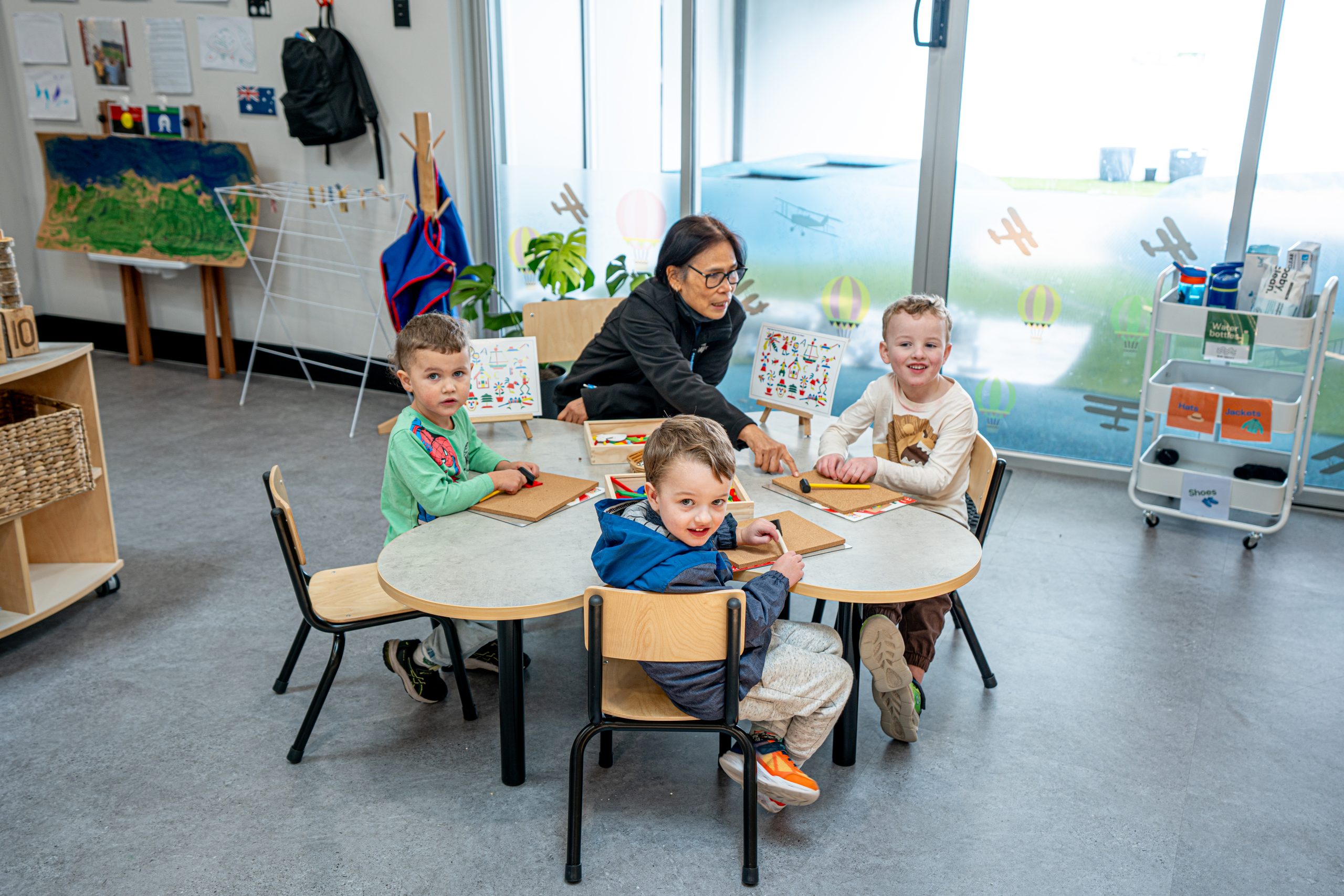
Emotional resilience is one of the most valuable life skills a child can develop. It’s the ability to cope with challenges, adapt to change, manage big feelings, and bounce back after setbacks.
For your minis, resilience doesn’t mean avoiding difficult emotions, it means learning how to understand them, express them, and support them.
In early childhood, the foundations of emotional resilience are built through everyday experiences, relationships, and environments that feel safe, predictable, and nurturing.
Families and educators play a powerful role in helping children develop the tools they need to navigate life’s ups and downs with confidence.
In summary:
Children build resilience when they feel safe. A secure environment gives them the confidence to explore, try new things, and take healthy risks.
Consistent routines, warm relationships, and predictable responses from adults help children feel grounded.
Actions such as greeting children with a smile, maintaining consistent daily routines, and offering reassurance during moments of uncertainty all play a part in contributing to a strong emotional foundation.
Young children often feel big emotions but don’t yet have the words to describe them. Teaching children to recognise and label their feelings is a critical step in building emotional resilience.
Phrases like,
help children connect words to emotions. Over time, this builds emotional awareness and helps children learn that all feelings are normal and manageable.
Books, role play, and everyday conversations are wonderful opportunities to explore emotions in a safe way.
Children learn how to respond to situations by watching the adults around them. When educators and families remain calm during challenging moments, children learn that big feelings can be handled without fear or panic.
Modelling deep breathing, using gentle voices, and showing patience teaches children healthy ways to manage stress. For example, saying, “Let’s take a deep breath together,” gives children a practical tool they can use themselves over time.
Resilient children learn that challenges can be worked through. Rather than immediately fixing problems for children, guide them to think of solutions.
Questions like:
encourage children to think critically and feel capable. Even small successes in problem-solving build confidence and independence.
It can be tempting to step in quickly when children struggle, but small, manageable challenges are important for developing resilience.
Climbing a little higher, trying again after a failed attempt, or navigating a disagreement with a friend all provide valuable learning opportunities. With supportive guidance, children learn that setbacks are part of learning and not something to fear.
Children need safe outlets to express how they feel. Art, music, storytelling, physical play, and quiet spaces for reflection all give children ways to release emotions constructively.
Encouraging children to talk about their feelings rather than suppress them teaches them that emotions are something to be expressed, not hidden.
Praising effort rather than outcomes helps children develop a growth mindset. Statements like:
teach children that persistence is more important than perfection. This mindset is closely linked to resilience and confidence.
Above all, emotional resilience grows through strong, trusting relationships. When children know they have adults who listen, care, and support them unconditionally, they feel more confident facing challenges.
Spending quality time with children, listening attentively, and responding with empathy helps children feel valued and understood.
Children who develop emotional resilience in their early years are better equipped to manage stress, form positive relationships, and adapt to change as they grow. These skills support their wellbeing not only in childhood, but throughout their entire lives.
At Mini Masterminds, we see every day how a nurturing early learning environment can strengthen these important foundations. For families searching for a childcare centre near me, choosing a centre that prioritises emotional development alongside learning can make a meaningful difference in a child’s confidence and ability to cope with life’s challenges.
By intentionally supporting emotional development in early learning environments and at home, we give children the greatest gift, the ability to face the world with confidence, understanding, and inner strength.
Building emotional resilience isn’t about removing difficulties from a child’s life. It’s about giving them the tools, support, and confidence to navigate those difficulties successfully.
And it all begins in the early years.
Glossary
FAQs
1) What is emotional resilience in young children?
It’s a child’s ability to cope with challenges, manage big feelings, and recover after setbacks.
2) Can resilience be taught, or is it just personality?
Yes, resilience is a skill that grows through supportive relationships and everyday practice.
3) What helps build resilience the most in early childhood?
Feeling safe, having predictable routines, and experiencing calm, caring responses from adults.
4) How do I help my child when they’re upset?
Name the feeling, stay calm, offer reassurance, and guide them toward a simple coping tool like breathing.
5) Should I stop my child from struggling?
Not always—small, manageable challenges (with support) help children learn persistence and confidence.
6) Why is naming emotions important?
It gives children the language to understand what’s happening inside them and makes feelings feel more manageable.
7) What are healthy ways for children to express emotions?
Talking, art, music, storytelling, movement, and having a quiet space to reset are all helpful outlets.
8) What’s better to praise: success or effort?
Effort—because it builds a growth mindset and teaches children that trying again matters.
9) How do educators support emotional resilience in childcare settings?
By creating predictable routines, modelling calm behaviour, teaching feeling words, and building trusting relationships.
10) What’s one simple strategy I can start today?
Use a daily “feelings check-in” (“Are you feeling happy, sad, worried, or frustrated?”) and validate whatever they share.


 1300 336 464
 Book A Tour
 Enrol Now
 Contact Us
 Subsidy Estimator
 Call Us