3-DAY CHILDCARE GUARANTEE PLUS NO FEE INCREASE UNTIL 2027
3-DAY CHILDCARE GUARANTEE PLUS NO FEE INCREASE UNTIL 2027
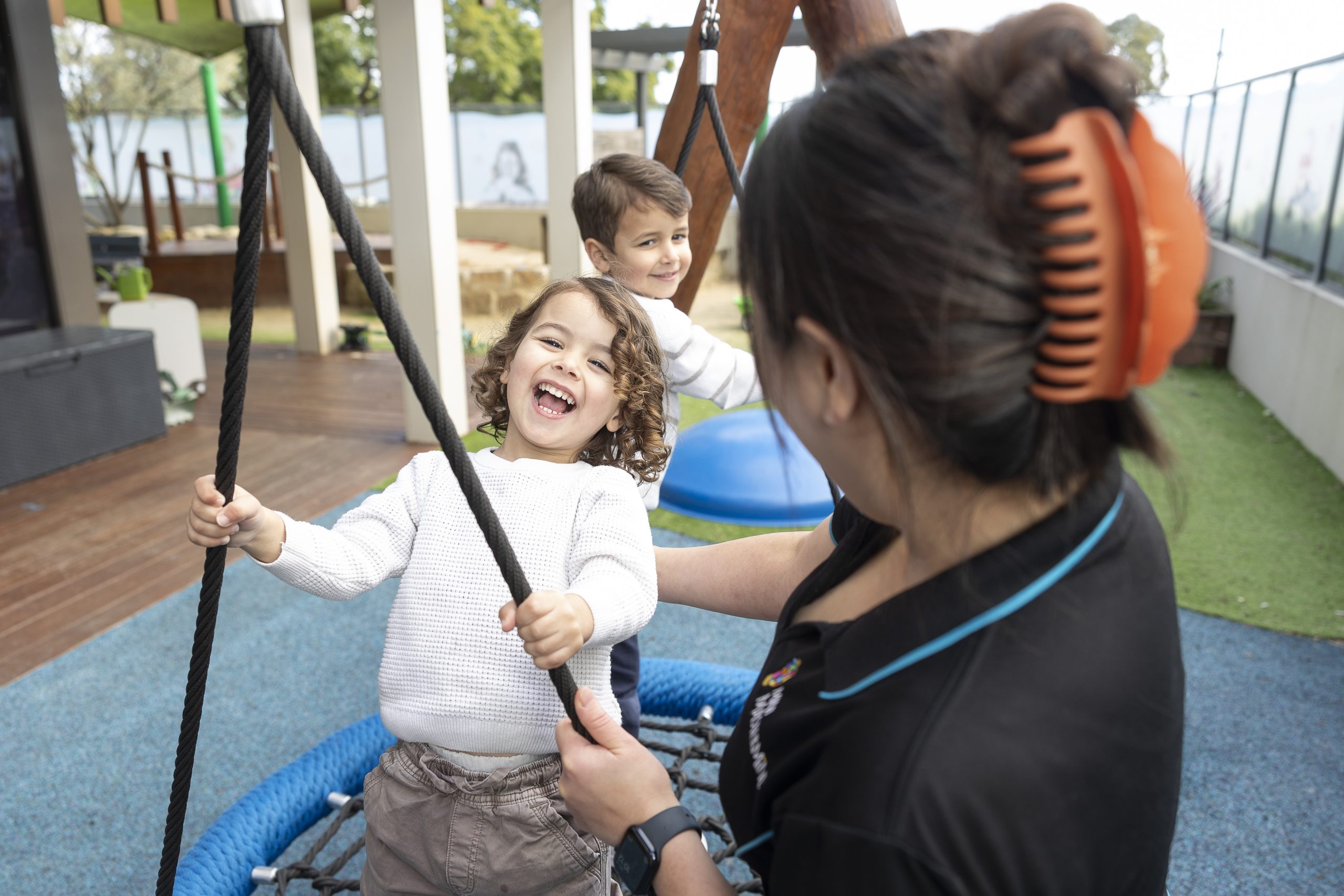
Starting childcare is a major milestone for both children and parents, bringing new routines, relationships, and a learning-rich environment that can feel exciting but also overwhelming in the early days. With good preparation, supportive educators, and a strong family–centre partnership, the transition can be gentle and confidence-building.
The first weeks are especially important because they shape how a child experiences separation, trust, and unfamiliar settings. Some children may cry or cling at drop-off while others settle quickly, and both reactions are normal. What matters most is that parents and educators work together to create safety, consistency, and routine, helping children feel secure enough to explore, connect, and learn. A smoother start often begins before day one, with positive conversations about childcare, centre visits, books about starting daycare, practising short separations, and establishing routines that resemble a care day.
In summary:
How Can I Prepare My Child For the First Day of Daycare?
A smooth start often begins well before the first official day of care.
Simple steps at home can make a big difference:
Familiarity reduces anxiety. When children know what’s coming, they feel more in control of their world.
At Mini Masterminds, we recognise how important this preparation is and encourage orientation visits, meet-and-greets with educators, and gradual introductions to the learning environment. These early interactions allow children to build trust before their first full day.
The Power of a Warm Welcome
First impressions matter, especially for children.
A warm greeting from a familiar educator, a comforting smile, and an inviting environment all helps children feel safe. High-quality childcare centres prioritise building relationships from day one. Educators take the time to learn about each child’s routines, preferences, and personality so they can provide personalised support during the transition.
At Mini Masterminds, this relationship-building is a core focus. Educators work closely with families to understand sleep routines, comfort items, favourite activities, and any concerns parents may have. This level of care ensures children feel known and supported from the moment they walk through the door.
How Can I Manage Drop-Off Emotions At Daycare?
Drop-offs can be one of the hardest parts for families. It’s natural to feel emotional when leaving your child, especially if they are upset. However, children are incredibly perceptive, they often mirror the emotions of their parents.
A calm, confident goodbye reassures your child that they are safe.
Helpful tips for drop-off include:
Most children settle quickly once parents leave, often within minutes. Educators are experienced in supporting children through these moments with comfort, distraction, and reassurance.
Building Trust Between Families and Educators
Open communication is key to a successful transition.
We know that parents feel more at ease when they know how their child’s day is going, and children benefit when educators understand what’s happening at home. Sharing updates, photos, daily reports, and regular conversations all help build trust and confidence.
Mini Masterminds places strong emphasis on this partnership. Families are kept informed about their child’s day, milestones, and progress, helping parents feel connected even while apart. This transparency reduces anxiety and reinforces the sense that everyone is working together for the child’s wellbeing.
How Can I Support Emotional Adjustment At Daycare?
It’s important to remember that adjustment takes time. Some children settle within days, while others may take a few weeks to fully feel comfortable. This is not a reflection of the quality of care, it’s simply part of a child’s individual temperament and attachment style.
During this time, consistency is crucial. Keeping regular attendance days, maintaining routines at home, and staying positive about the experience all contribute to a smoother adjustment.
At Mini Masterminds, our educators play a core role by offering comfort, encouraging participation in activities, and helping children form friendships. As children begin to connect with peers and educators, their sense of belonging grows.
Signs Your Child is Settling In
Over time, you’ll start to notice small but meaningful signs that your child is adjusting well:
These signs show that your child is building trust in their environment and forming positive associations with childcare.
A Foundation for Lifelong Learning
The transition into childcare is about more than just adjusting to a new routine. It lays the foundation for social skills, emotional resilience, independence, and a love of learning.
When children feel supported through this change, they learn that new experiences can be safe and rewarding. They build confidence in navigating unfamiliar situations, a skill that will serve them throughout their lives.
At Mini Masterminds, we understand that this early experience shapes a child’s future relationship with learning. By prioritising emotional wellbeing, strong relationships, and family partnership, we aim to create an environment where children don’t just attend care, they thrive.
Are you searching for day care for toddlers, babies and preschool aged children? At Mini Masterminds our aim is to create a safe and welcoming environment where your mini can grow and flourish! To learn more about our childcare centres, and how we can support your child’s transition into childcare, contact us today on 1300 336 464 and one of our friendly team members will be able to answer any of your questions.
Glossary
FAQs
1) How long does it take for a child to settle into childcare?
It varies. Some children adjust in a few days; others may take a few weeks. Temperament, attachment style, and consistency all play a role.
2) Is it normal for my child to cry at drop-off?
Yes. Crying, clinging, or being quieter than usual can be part of normal adjustment—many children settle shortly after parents leave.
3) What can I do before the first day to make the transition easier?
Talk positively about what to expect, visit beforehand, read books about starting daycare, practise short separations, and introduce routines similar to care days.
4) Should I sneak away if my child is upset?
No. A clear, calm goodbye builds trust. Sneaking away can increase anxiety because the child doesn’t know when separation will happen.
5) What does a “goodbye ritual” look like?
Something brief and repeatable—one hug, a special phrase, a wave at the door, then handing over to an educator.
6) How do educators help children feel safe in the early days?
They offer warm welcomes, learn the child’s routines and preferences, use comfort strategies, and guide them into play and connection with others.
7) How can families and educators work together during the transition?
Share relevant updates (sleep, mood, changes at home), ask questions, and keep communication open so everyone responds consistently to the child’s needs.

 1300 336 464
 Book A Tour
 Enrol Now
 Contact Us
 Subsidy Estimator
 Call Us