The preschool years are a crucial time for learning, growth and preparation for school. Children are developing the skills they will rely on in kindergarten and beyond, not only academically, but socially and emotionally as well.
At Mini Masterminds, our approach to school readiness activities for preschoolers focuses on helping children feel confident, capable and prepared for the next stage of learning. Activities are designed to be engaging, meaningful and developmentally appropriate, supporting children as they grow into independent learners.
School readiness is not about rushing children. It is about giving them the tools they need to feel comfortable, curious and ready to participate in a school environment.
School readiness is often misunderstood as early reading or writing. While literacy and numeracy are important, readiness involves a much broader set of skills.
Effective school readiness activities for preschoolers support:
When children feel secure and capable in these areas, learning at school becomes a positive experience rather than an overwhelming one.
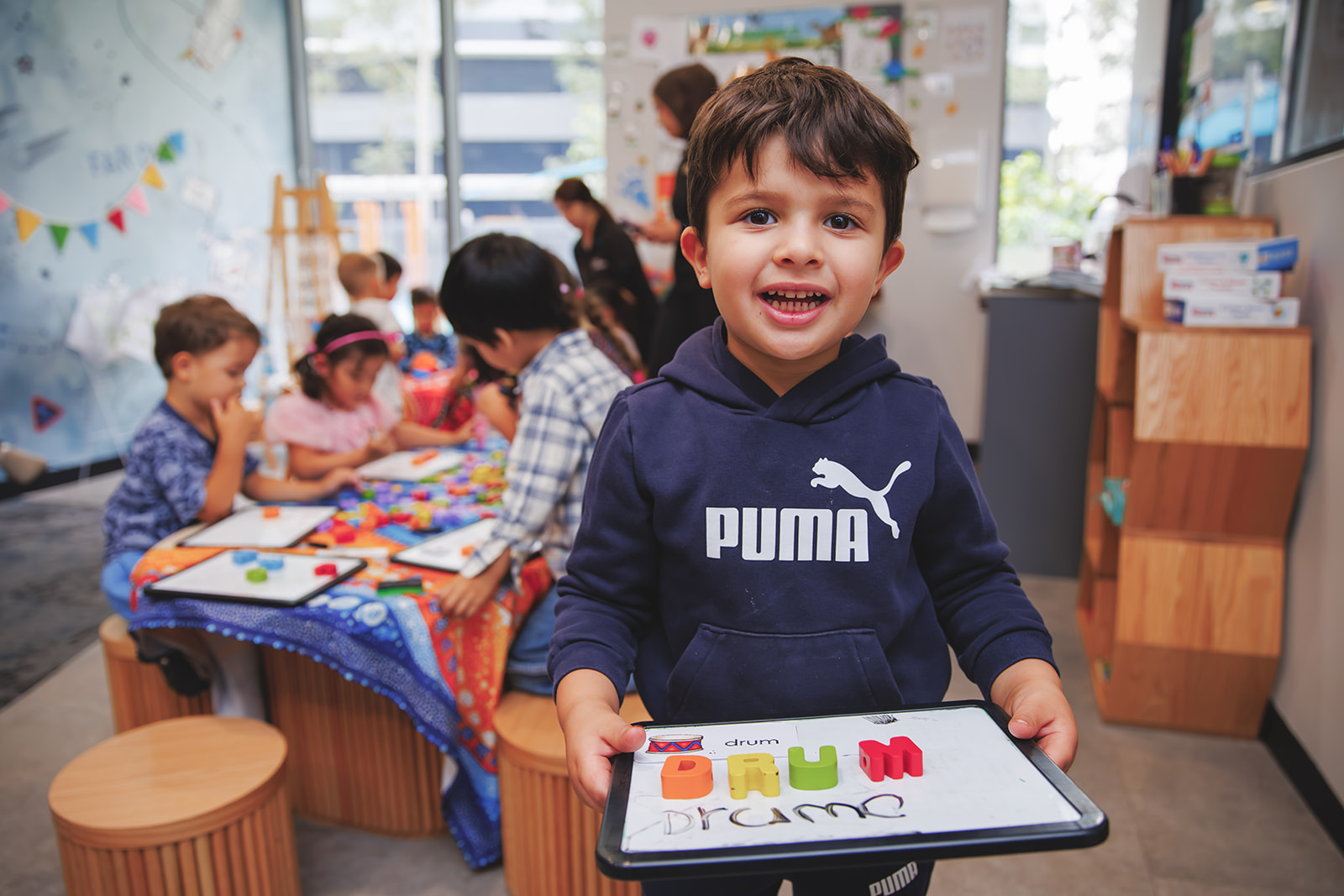
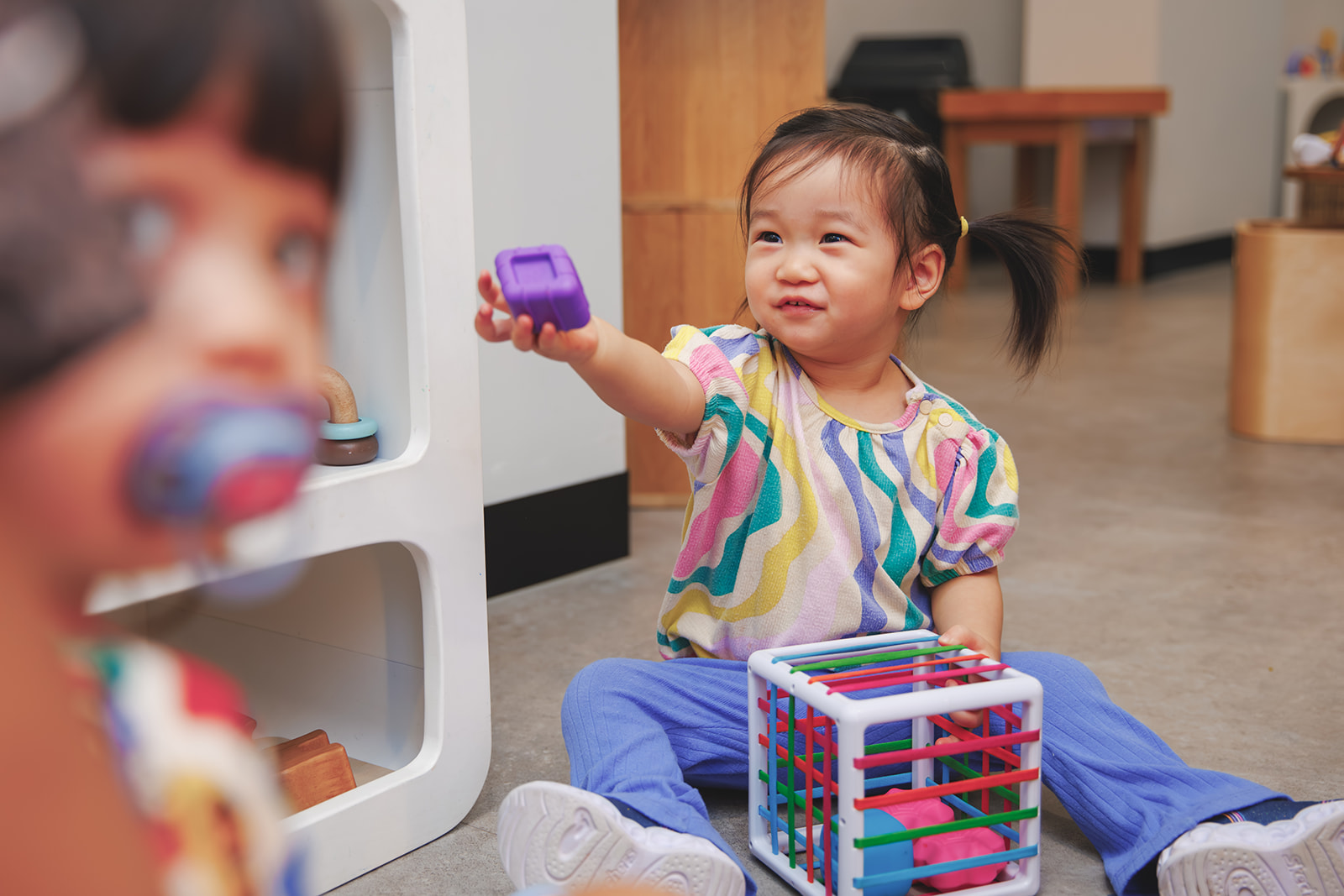
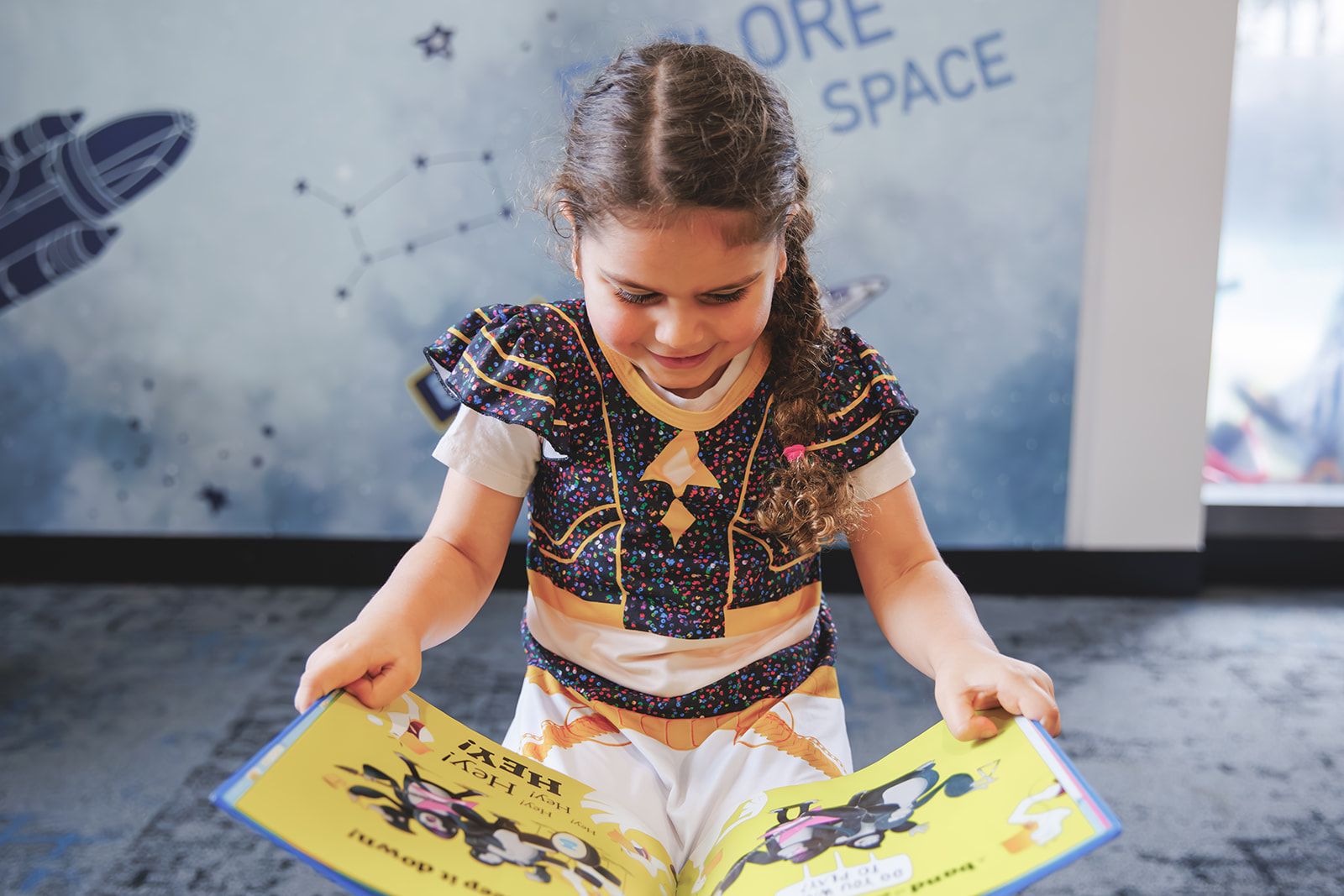
Play remains central to learning during the preschool years. Through structured play, children practice skills that directly support school readiness.
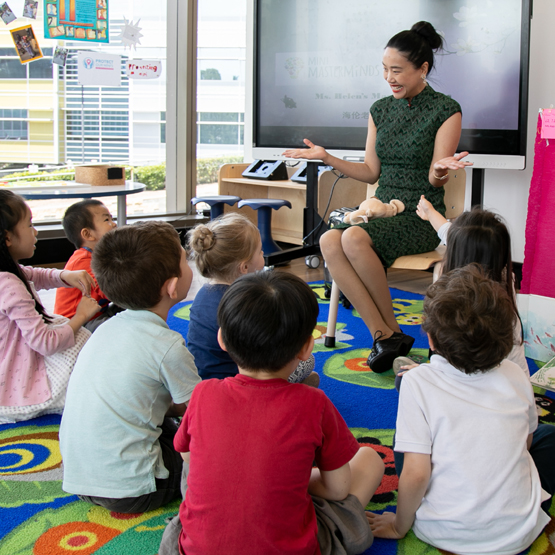
Activities are intentionally designed to encourage listening, turn taking and task completion. Games with simple rules, group activities and guided projects help children learn how to participate in shared learning experiences.
These types of activities help preschoolers become comfortable with sitting in a group, engaging with an educator and staying focused for short periods of time.
Literacy development is woven into daily experiences rather than taught in isolation.
Preschoolers take part in activities that support:
These experiences support language development and a love of reading, which are key foundations for school success.
Rather than formal lessons, literacy is introduced through storytelling, shared reading, conversations and creative expression.
Early numeracy helps children understand numbers, patterns and relationships.
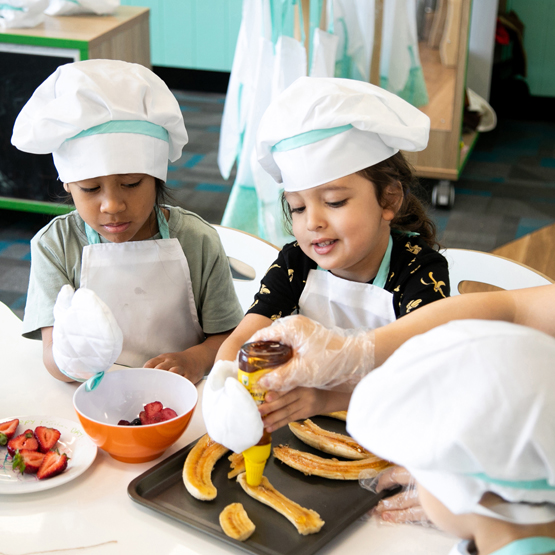
Preschoolers explore numeracy concepts through hands on activities such as counting games, building projects, measuring ingredients during cooking and sorting objects by size or shape.
These activities support problem solving, reasoning and early maths skills in ways that feel practical and engaging.
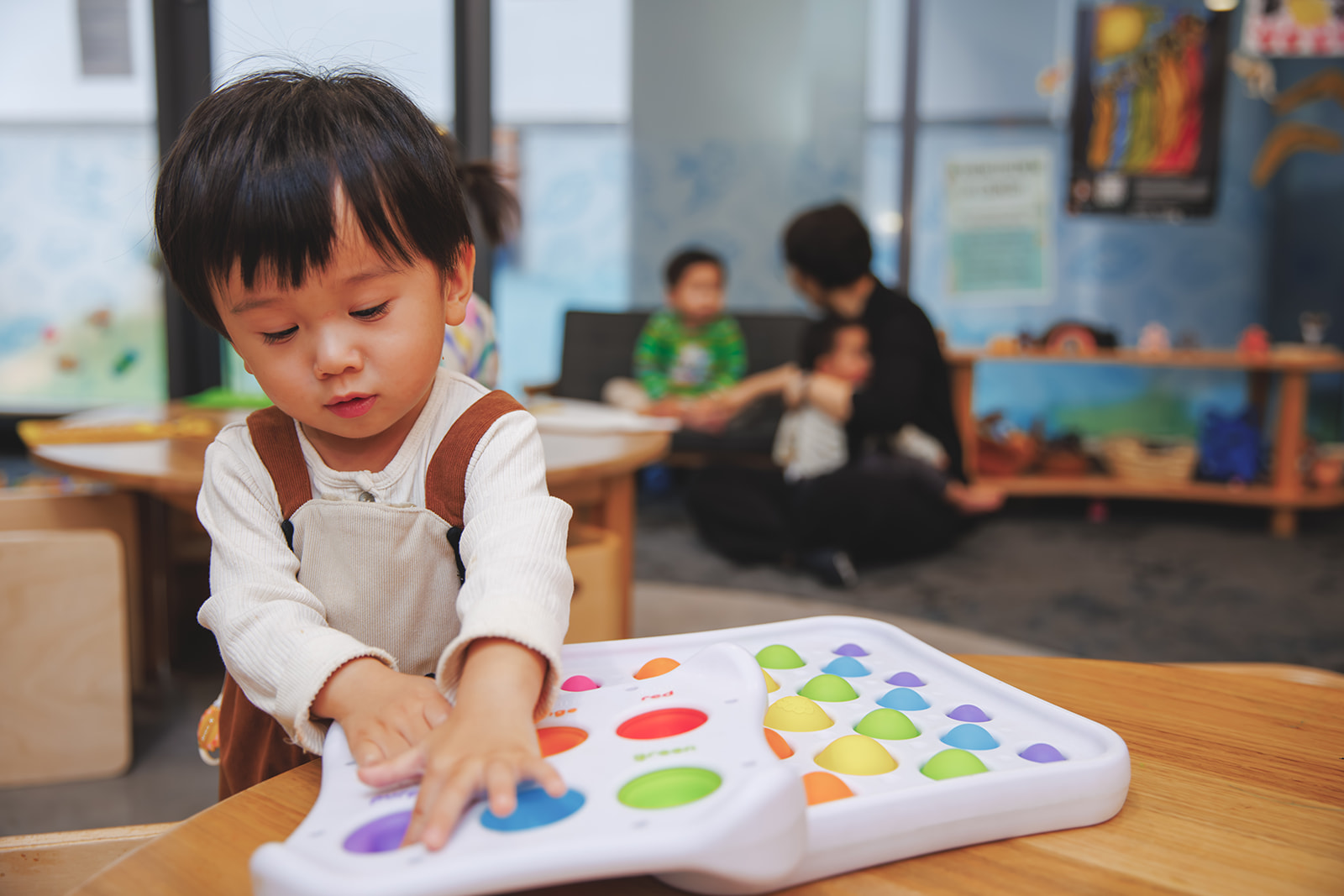
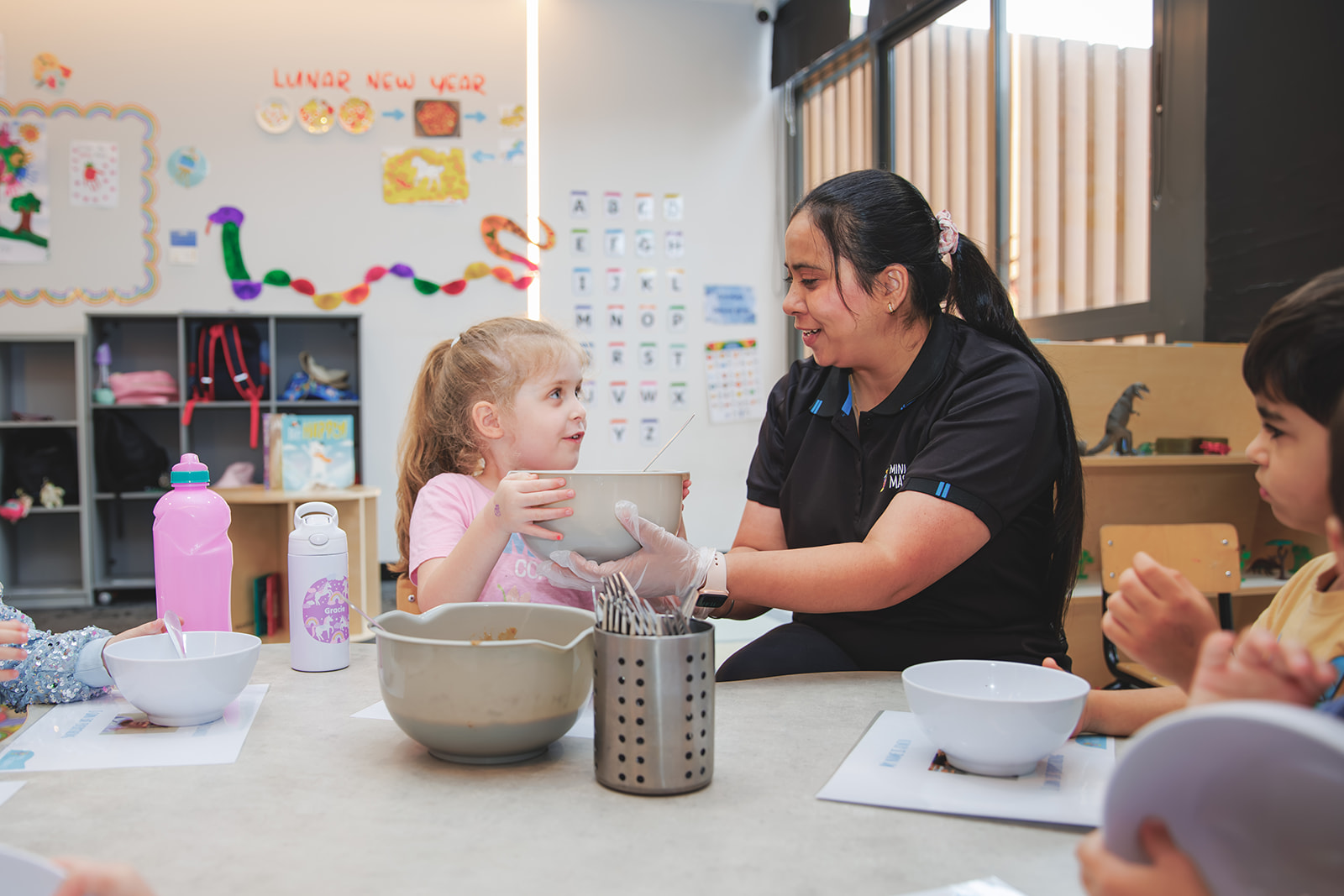
Independence is a major part of school readiness.
Preschoolers are encouraged to manage simple tasks such as packing away resources, caring for personal belongings, following routines and making choices.
These everyday activities help children develop responsibility, confidence and self reliance. Over time, children learn to take pride in what they can do independently.
Independence based activities are especially important for children preparing to enter a classroom environment.
School involves learning alongside others. Group activities help preschoolers practice social skills in a supportive environment.
Through group learning experiences, children learn how to:
Educators guide these interactions, helping children navigate challenges and develop empathy and respect for others.
These experiences support emotional readiness and help children feel comfortable in social learning environments.
Preschoolers experience a wide range of emotions as they grow and learn.
Activities that support emotional development help children recognise feelings, express themselves and develop coping strategies. Role play, storytelling and guided discussions help children explore emotions in a safe and supportive way.
Confidence building activities encourage children to try new things, take small risks and celebrate effort rather than perfection.
These skills support resilience and emotional wellbeing, which are essential for a positive start to school.
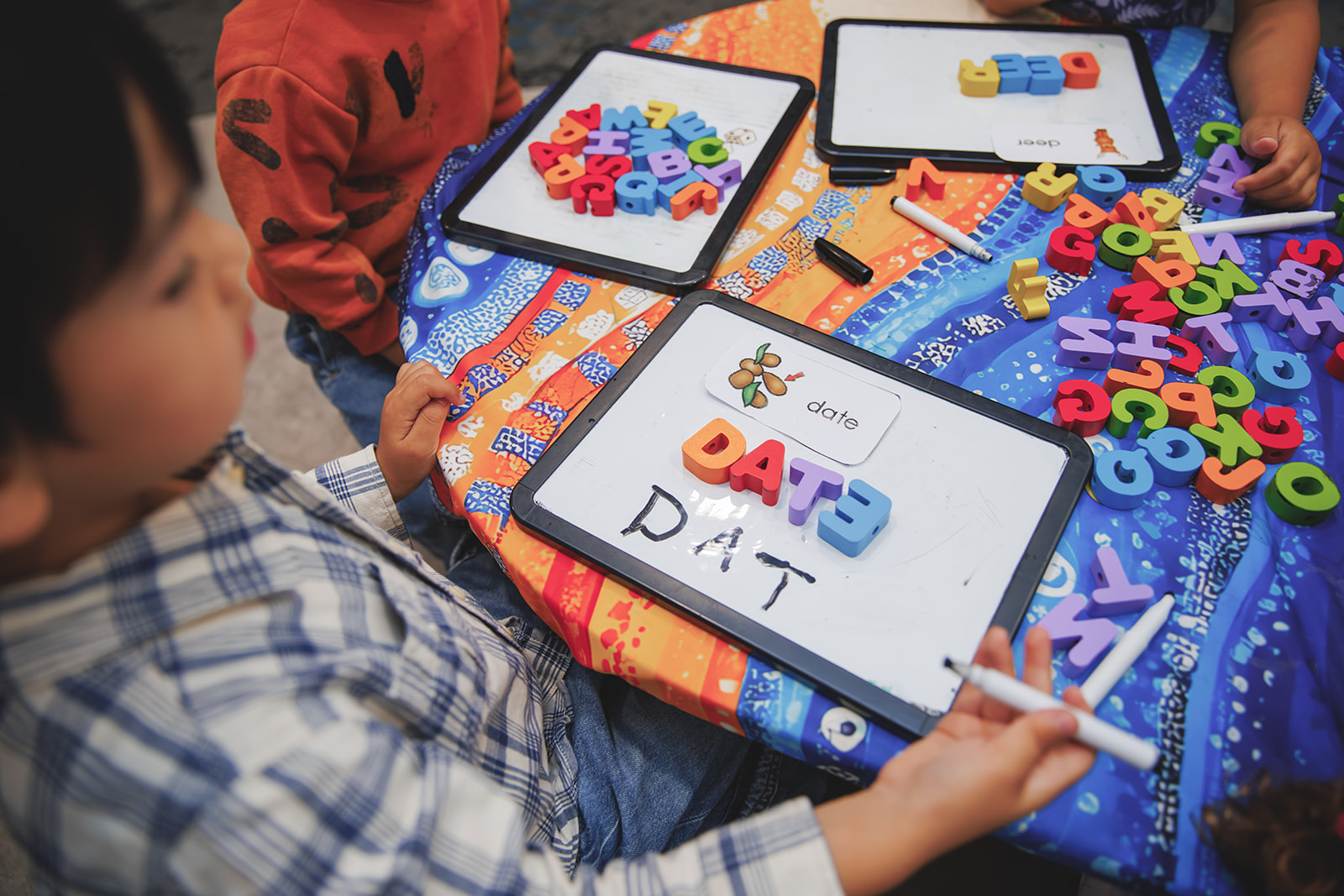
Fine motor development plays an important role in school readiness.
Preschoolers participate in activities that strengthen hand and finger muscles, such as drawing, painting, cutting, threading and building with small objects.
These activities support coordination and control, which are important for tasks like writing, using scissors and managing classroom tools.
Fine motor activities are introduced gradually and in fun, engaging ways that support confidence and skill development.
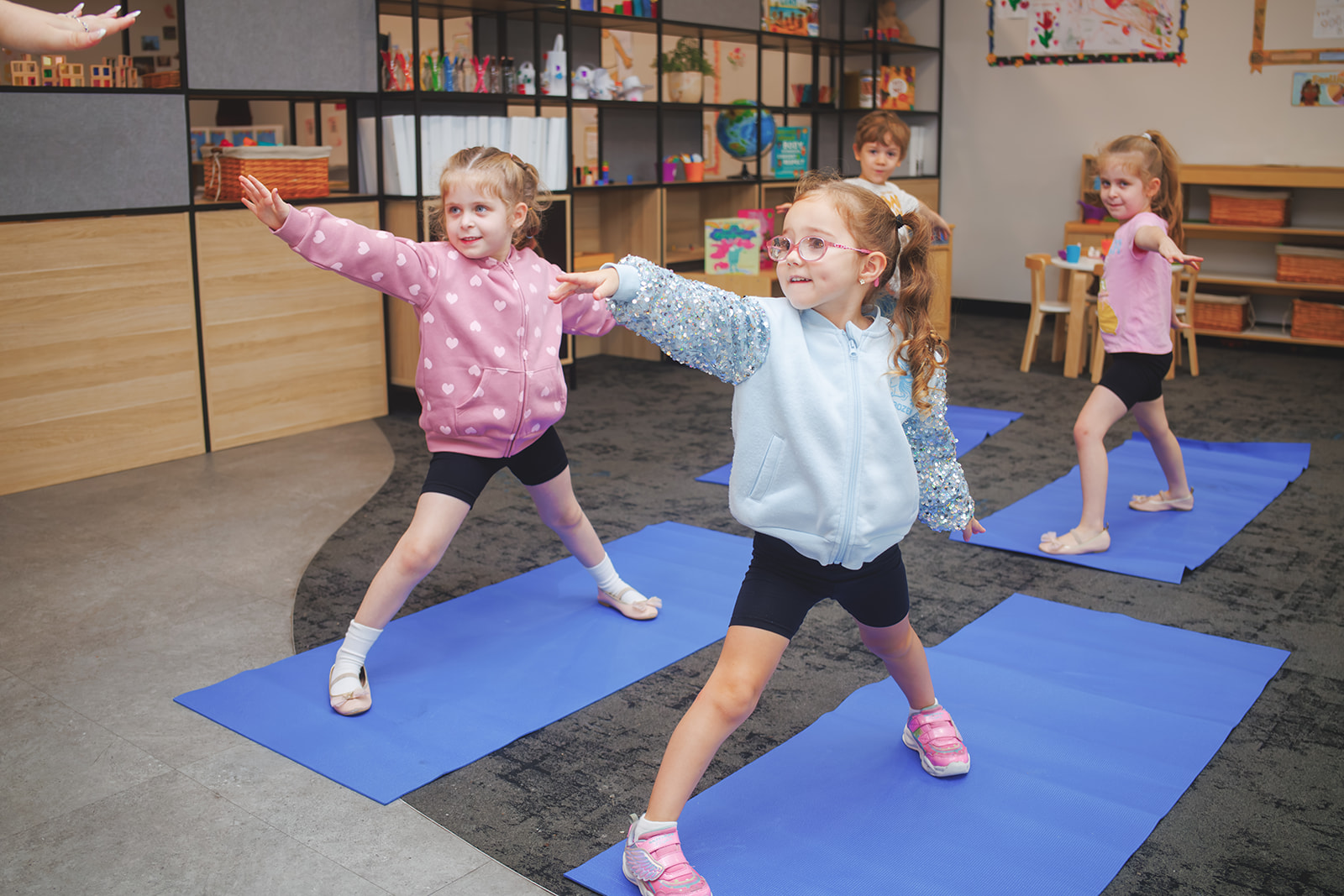
Movement supports learning, focus and wellbeing.
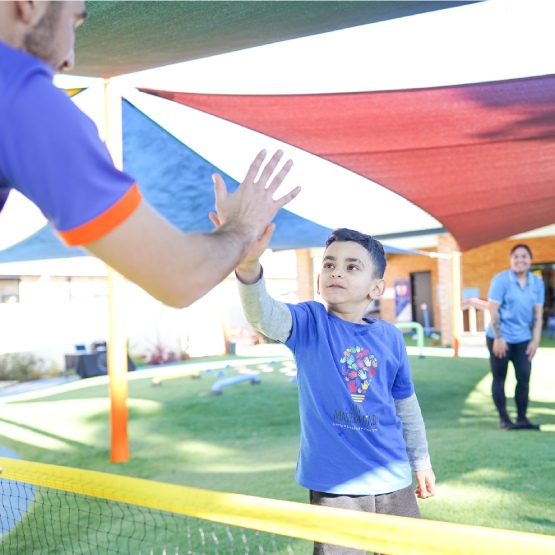
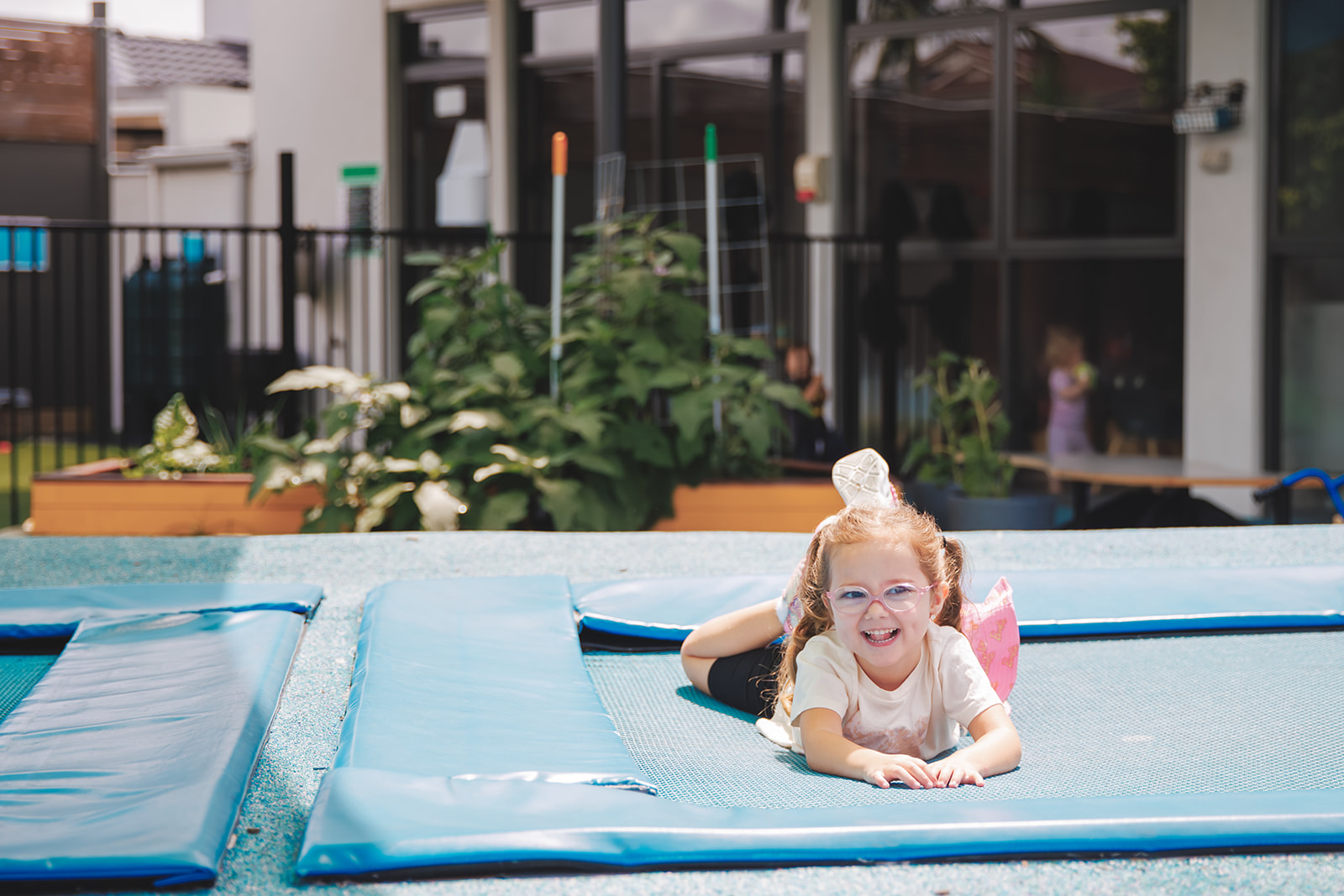
Preschoolers take part in physical activities that develop balance, coordination and body awareness. Active play, movement games and outdoor exploration help children build strength and confidence in their bodies.
Physical readiness supports children’s ability to sit comfortably, participate in classroom activities and manage transitions throughout the day.
True readiness for school goes beyond letters and numbers.
Activities also focus on:
These skills help children feel comfortable with the structure and expectations of school life.
Families play an important role in supporting school readiness.
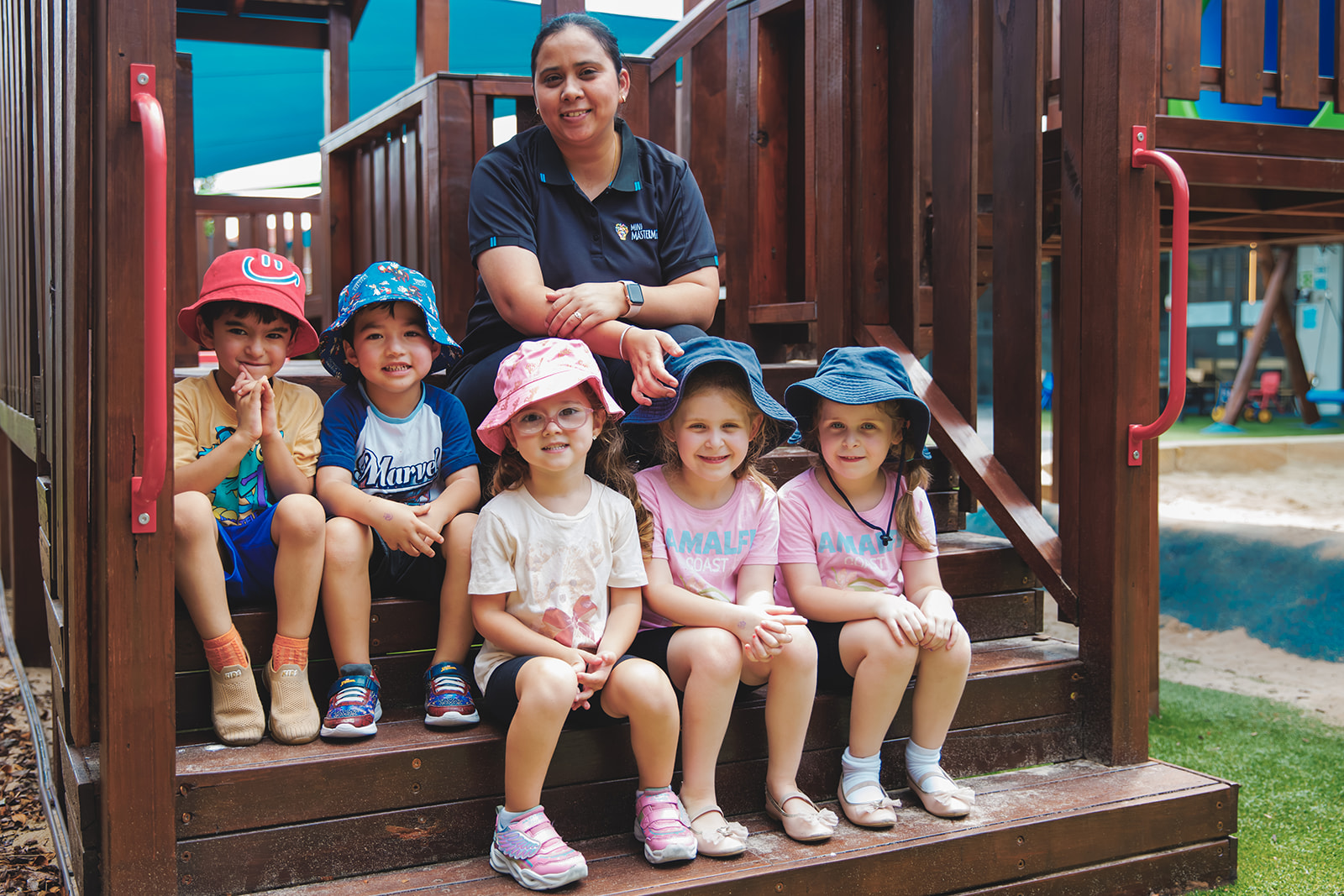
Educators communicate regularly with families about children’s progress, strengths and areas of growth. This partnership helps ensure consistency between home and the early learning environment.
Families receive updates through a secure communication app, allowing them to stay connected to their child’s learning journey.
All school readiness activities are delivered within a safe, well supervised environment.
Educators hold current first aid and child protection training and follow clear safety procedures. Learning spaces are age appropriate and designed to support both active and focused learning.
You can learn more about our approach to safety here:
https://minimasterminds.com.au/safety/
School readiness is about helping children feel prepared, confident and excited about learning.
Through thoughtfully planned school readiness activities for preschoolers, children develop the skills they need to succeed in kindergarten and beyond.
Mini Masterminds supports children as they grow into capable learners who feel ready for the next stage of their education.
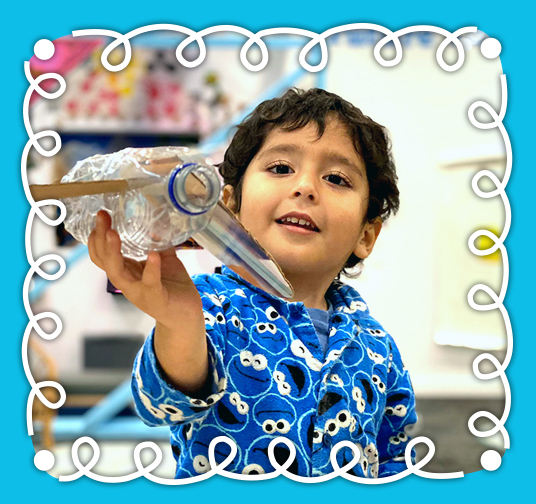
No, every enrichment program at Mini Masterminds Sydney childcare centres is included in your daily childcare fee, with no add ons and no surprise charges. Weekly sports sessions, kids yoga, cooking classes, language and music play, and Reading Eggs for preschoolers are all part of what your child experiences every week, at no extra cost.
Many other Sydney childcare centres charge separately for in house enrichment programs or bring in third party providers at an additional weekly fee. At Mini Masterminds, everything is bundled into one transparent daily rate (chef prepared meals fresh on site, Huggies nappies and wipes, sunscreen and hats included too) so your family always knows exactly what you’re paying for childcare in Sydney.
Use our Subsidy Estimator to calculate your out of pocket childcare cost after the Child Care Subsidy is applied.
Enrichment activities at Mini Masterminds Sydney childcare centres are play based and educator guided, the approach mandated by the Early Years Learning Framework for children under five, and the one research consistently shows is most effective for early learning.
Play based learning does not mean unstructured. Our educators plan intentional experiences that target specific developmental skills: early phonics through alphabet and sound games, numeracy through counting and pattern play, fine motor development through craft and drawing, and problem solving through hands on STEM challenges. Children are led by curiosity, but the learning behind each enrichment experience is carefully designed.
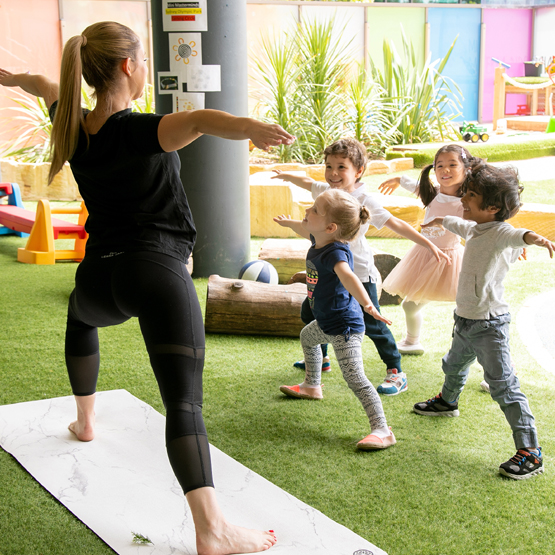
In our specialist enrichment programs for kids, this same philosophy comes to life in different ways. Sports sessions build coordination, teamwork and turn taking. Kids yoga develops focus, body awareness and self regulation. Cooking classes introduce measurement, sequencing and food literacy. Language and music experiences support brain development and early communication in ways that are joyful and natural for young children.
Play based learning prepares children for school not by rushing academics, but by building the confidence, curiosity and resilience that research identifies as the strongest foundations for long term school success.
School readiness at Mini Masterminds Sydney is not a switch that flips at age three; it begins gradually from the Toddler years and deepens purposefully as children move toward kindergarten.
In our Toddler program (18 months to 3 years), school readiness experiences are woven naturally through play: sorting and counting games, mark making, listening activities and early language development. Children are building the foundational skills of school readiness long before they enter the Prep School room.
From age 3, our Sydney Prep School program (preschool / kindy) sharpens this focus across five core areas (early literacy and phonics, numeracy and number sense, fine motor skills, social and emotional development, and independence) with intentional, educator planned experiences that build in depth and complexity as children approach their first year of school.
Specialist enrichment programs including sports, kids yoga, cooking, language and music are introduced in age appropriate ways from the Toddler room and become more structured in Prep School, adding breadth to the early learning experience throughout. All Mini Masterminds programs are aligned to the Early Years Learning Framework and delivered by qualified early childhood educators.
Enrichment activities at Mini Masterminds Sydney are designed with the kindergarten transition in mind, building the school readiness skills that matter most for a confident and settled start to big school.
Group participation in sports, music and language sessions develops social awareness, listening skills and ability to follow instructions that underpin classroom learning. Structured routines (lining up, transitioning between activities, following multi step directions) build the day to day stamina and self regulation that many children find challenging in their first months of school. Exposure to a range of specialist educators, from sports coaches to yoga instructors, also helps children grow comfortable engaging with new adults and authority figures, which makes meeting a kindergarten teacher feel far less daunting.
Enrichment programs like cooking and Reading Eggs introduce early literacy and numeracy in a hands on, enjoyable context, so when academic learning begins in earnest at school, children approach it with familiarity and confidence rather than anxiety.
In the year before school, families also receive a transition statement prepared by their child’s educators and shared directly with their kindergarten teacher, ensuring the people who know your child best help shape their very first big school experience.
Enrichment programs at Mini Masterminds Sydney childcare centres are delivered by a combination of our qualified early childhood educators and specialist external providers, depending on the program.
Our Mini Masterminds educators lead cooking classes, music, language and movement activities as part of the daily early learning program, drawing on their early childhood training to deliver these experiences in age appropriate and developmentally meaningful ways. For specialist programs such as kids yoga and sports, we bring in qualified external instructors who add depth and expertise to the children’s experience.
Every external specialist holds a current Working with Children Check, is fully inducted into our child safety procedures, and works alongside our educators at all times (never alone with children). All Mini Masterminds enrichment programs are aligned to the Early Years Learning Framework and designed in consultation with our Education team to ensure they support the developmental goals of each age group.
Every child at Mini Masterminds participates in the same core enrichment programs (sports, kids yoga, cooking classes, language, music, and Reading Eggs in Prep School), but the way each enrichment program is delivered is adapted to suit each child’s age, stage and individual development.
In practice, this looks different across the rooms. In the Toddler room, sports might be a parachute game; in Prep School, a ball skills circuit. Yoga with toddlers might be five minutes of animal poses; in Prep School, a structured 20 minute session with breathing and focus exercises. The enrichment program is the same; the depth and complexity grow with the child.
Mini Masterminds educators observe and document each child’s responses, interests and progress, using these insights to shape future sessions in line with the Early Years Learning Framework’s principle of differentiated learning. For children with additional needs, individualised adjustments are developed in close partnership with families and, where appropriate, allied health professionals.
Parents stay closely connected to their child’s enrichment experiences through several touchpoints at Mini Masterminds Sydney childcare centres.
Day to day, each enrichment session is photographed and documented on our secure parent communication app, with learning observations linked to the Early Years Learning Framework, so you can see not just what your child did, but what they were learning through it. The weekly enrichment program is also shared in advance through the app, so you always know what’s coming up and can talk to your child about their day before it even begins.
Mini Masterminds educators are available for informal chats at drop off and pick up if you’d like to hear more about how your child engaged with a particular session; these conversations are one of the simplest and most valuable ways to stay connected to your child’s learning.
 1300 336 464
 Book A Tour
 Enrol Now
 Contact Us
 Call Us